
How to choose, cut and enjoy pineapple in Vietnam.
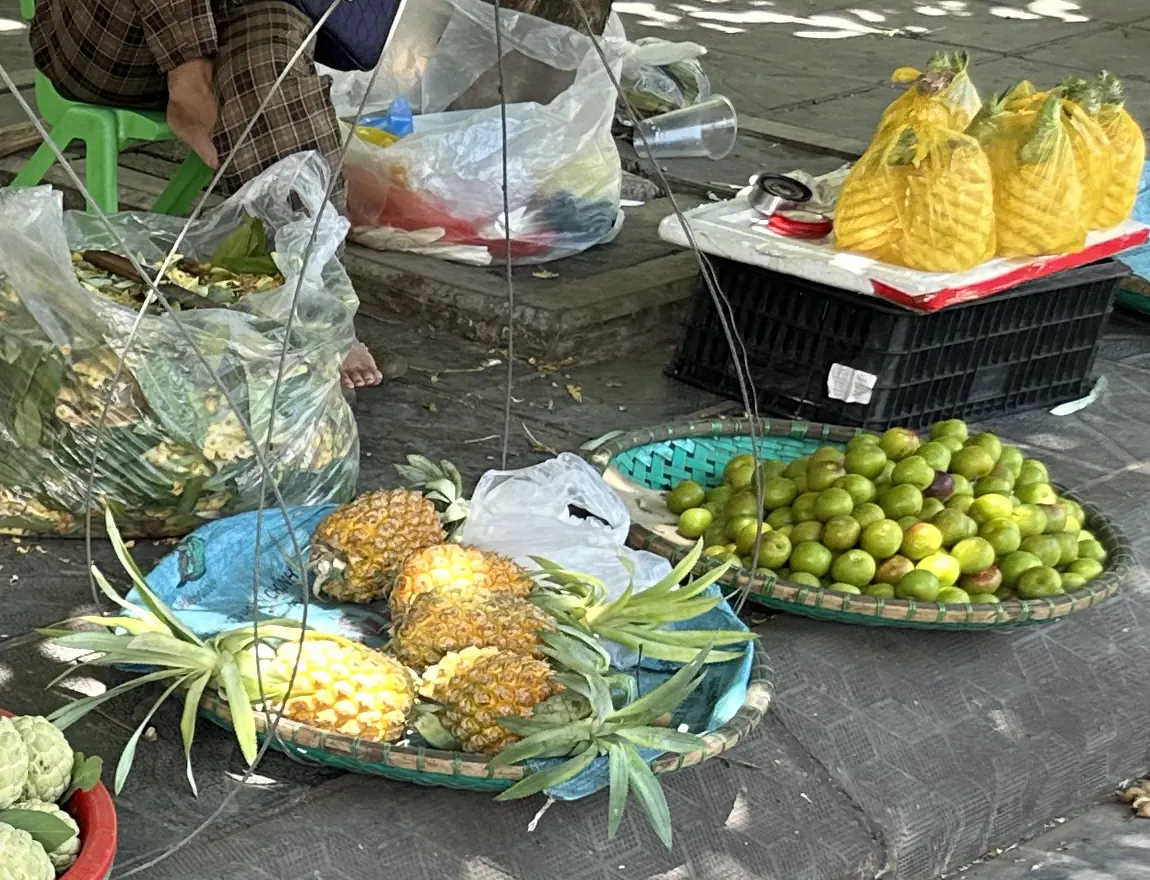
Walk through a Vietnamese market and you may see small pineapples peeled into spirals. The unfamiliar shape can raise questions: do you eat them as they are, and how do you order one?
Pineapple is easy to find year-round in Vietnam and a good fruit to try on a first visit. Sweet, tart and juicy, it can be eaten fresh, dipped in chilli salt or added to fish dishes and sour soups.
This guide follows the process from finding fruit and checking the price to choosing, cutting, eating and storing it. It includes market phrases, spiral peeling and local dishes.
Buying and eating at a glance
| Item | Details |
|---|---|
| Vietnamese names | Dứa, thơm and khóm |
| Pronunciation guide | Listen to local speakers; showing the written names is often useful |
| Flavour | Sweet and tart, with a pronounced aroma |
| Texture | Juicy with a moderate bite; fibre varies by fruit |
| Availability | Year-round, with supply and condition varying by region and growing season |
| One recorded price | 25,000 VND per fruit, including peeling, at an open-air market on 5 July 2026 |
| Where to buy | Markets, roadside fruit sellers, supermarkets and specialist shops |
| Basic preparation | Remove the skin and eyes, then cut into manageable pieces |
| Local serving idea | Try a little chilli salt or shrimp salt |
| Beginner rating | ★★★★☆ |
Vietnamese names: dứa, thơm and khóm
In Hanoi and much of northern Vietnam, pineapple is commonly called dứa. In the south, thơm and khóm are also frequently used.
Usage varies: some communities distinguish thơm and khóm by fruit size or spiny leaves. The names do not map neatly onto one region each. Knowing all three helps when looking for pineapple.
To ask a seller to peel it, try the following.
Gọt giúp tôi nhé.
Please peel it for me.
If pronunciation is difficult, showing the phrase on your phone can help.
Flavour and texture
Pineapple sold in Vietnam combines sweetness, acidity and a strong aroma. Smaller fruit can be manageable portions, with a pleasant bite and abundant juice.
The balance changes with variety and maturity. Even yellow flesh can be quite acidic, and two fruits from the same stall may taste different.
Vietnam Airlines describes pineapple as available year-round. Harvest seasons vary among regions and cultivars, so checking the condition of fruit at the stall is more useful than relying on one national peak season.
Prices and places to buy
My purchase at an open-air market in Hanoi on 5 July 2026 cost 25,000 VND for one fruit, including peeling. This is a dated example: prices vary with size, variety, location and preparation.
Open-air markets and roadside sellers
Sellers may remove the skin and eyes in front of you. If no price is displayed, ask before ordering.
Supermarkets
Weight and prices are usually easier to check, and pre-cut fruit may be available. Compare cleanliness and handling when choosing.
Specialist fruit shops and delivery apps
Origin and cultivar information may be clearer, though prices can be higher. Check whether the displayed price is per fruit or per kilogram.
To ask the price of one fruit, use the following.
Một quả này bao nhiêu?
How much is this one?
Choosing a good pineapple
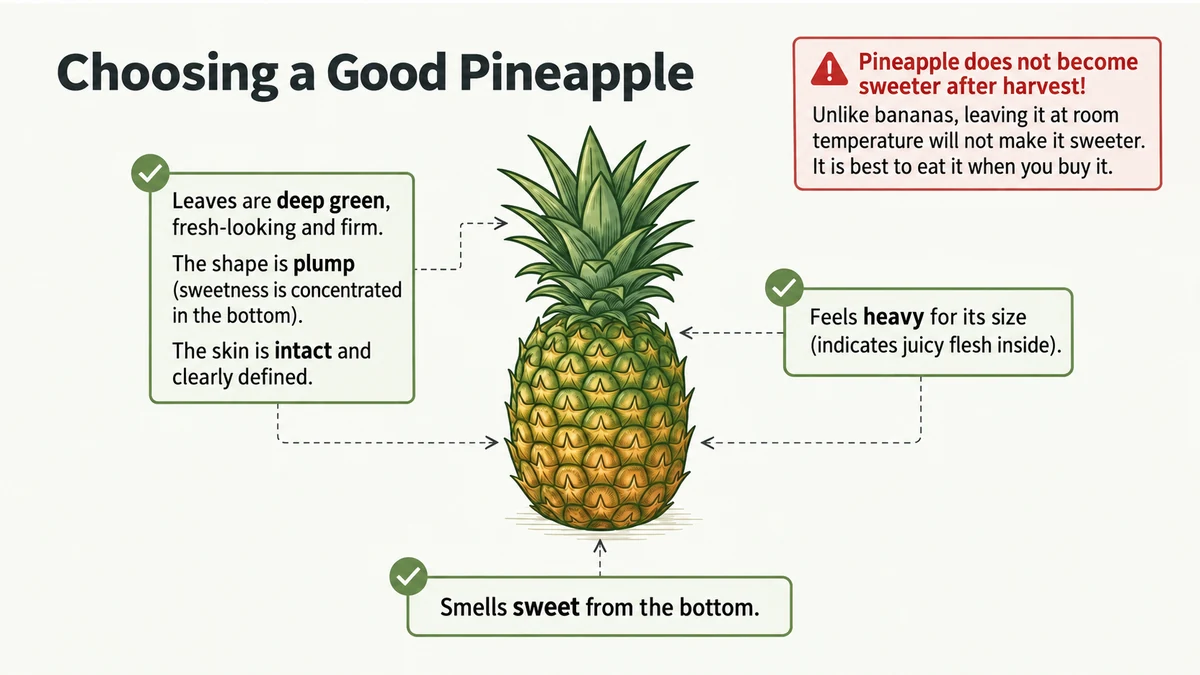
Pineapple does not become sweeter after harvest. Choose fruit ready to eat, checking its overall condition rather than relying on skin colour alone.
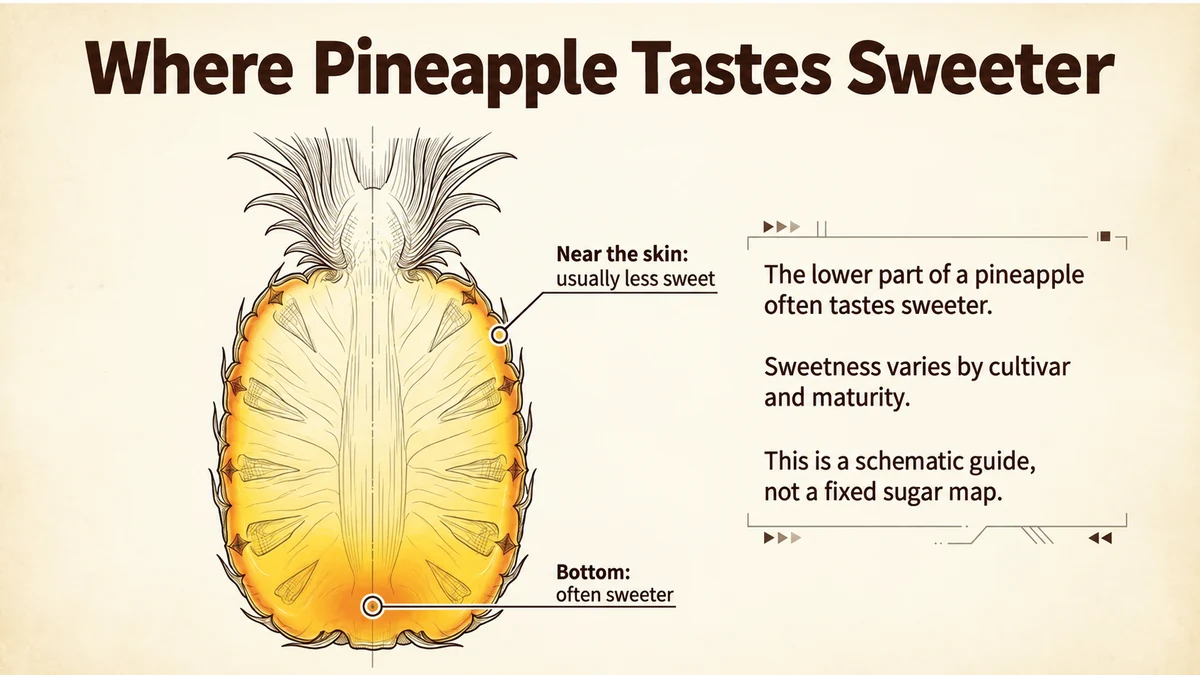
The lower part often tastes sweeter, but the pattern varies with cultivar and maturity. The illustration is not a measured sugar map. Peel thinly to retain flesh, then remove the hard eyes with shallow diagonal V-shaped cuts.
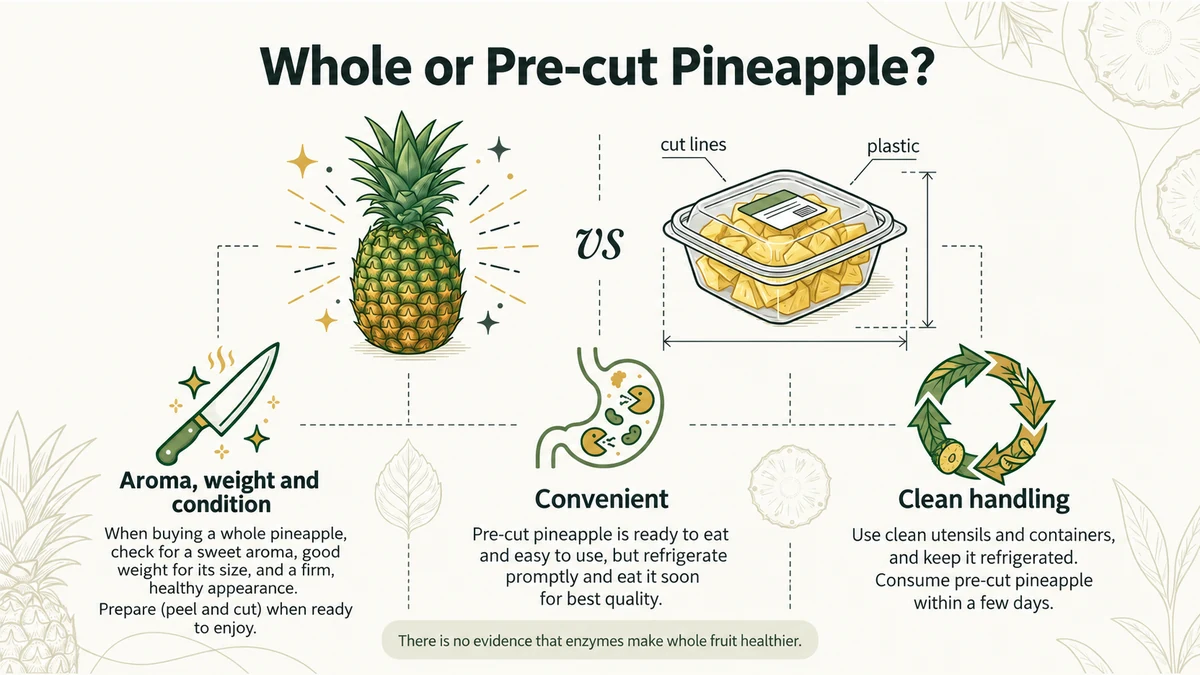
Whole fruit lets you inspect aroma, weight, skin and leaves before preparing it. Pre-cut fruit is convenient but needs clean handling and prompt refrigeration because cutting exposes the flesh.
Consider the following signs together.
- A sweet aroma at the base; avoid a strongly fermented smell
- A substantial weight for its size
- Fresh-looking leaves without excessive drying or damage
- An even shape with a reasonably full lower section
- Sound skin without very soft patches; colour varies among cultivars
- No leaking juice, mould, deep wounds or sunken dark areas
Appearance changes with cultivar and handling. A fully yellow skin or a leaf that pulls out easily is not a reliable test by itself. Combine aroma, weight, shape and signs of damage.
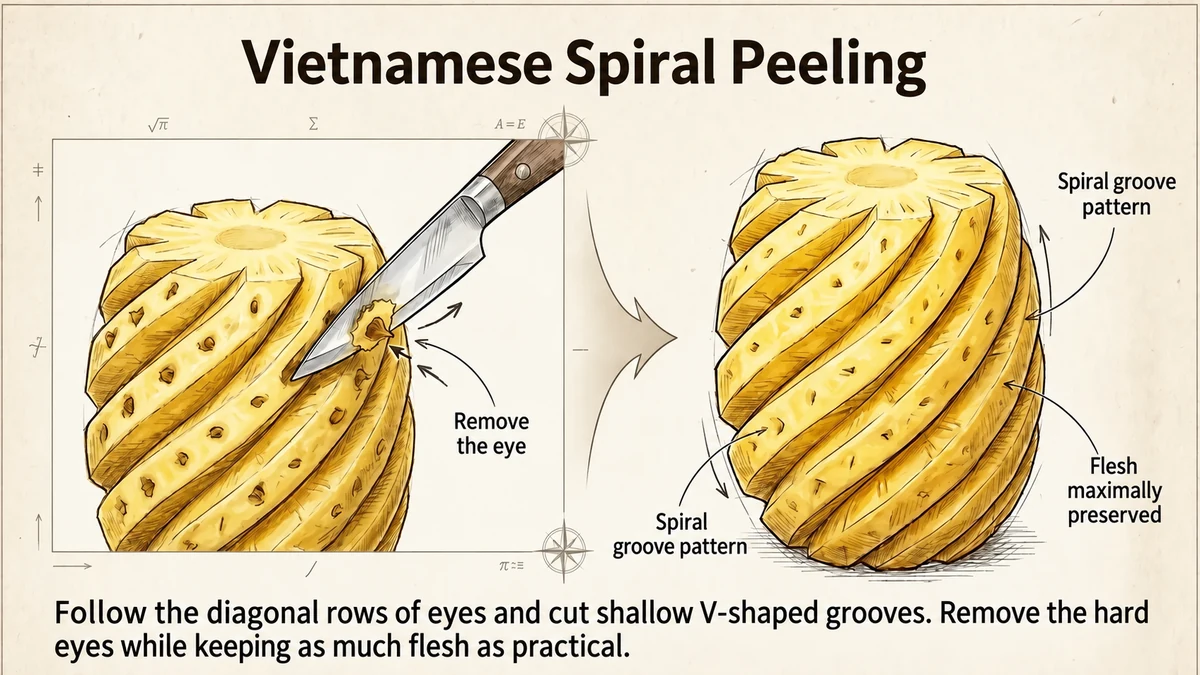
Vietnamese spiral peeling
After thinly removing the skin, hard brown eyes remain. Sellers follow the diagonal rows with shallow V-shaped grooves, removing the eyes while retaining flesh and creating a spiral pattern.
Watching a skilled seller work is part of the experience. For fruit to eat during a trip, having it peeled at the stall can be easier than cutting a whole pineapple yourself.
Six steps for peeling pineapple
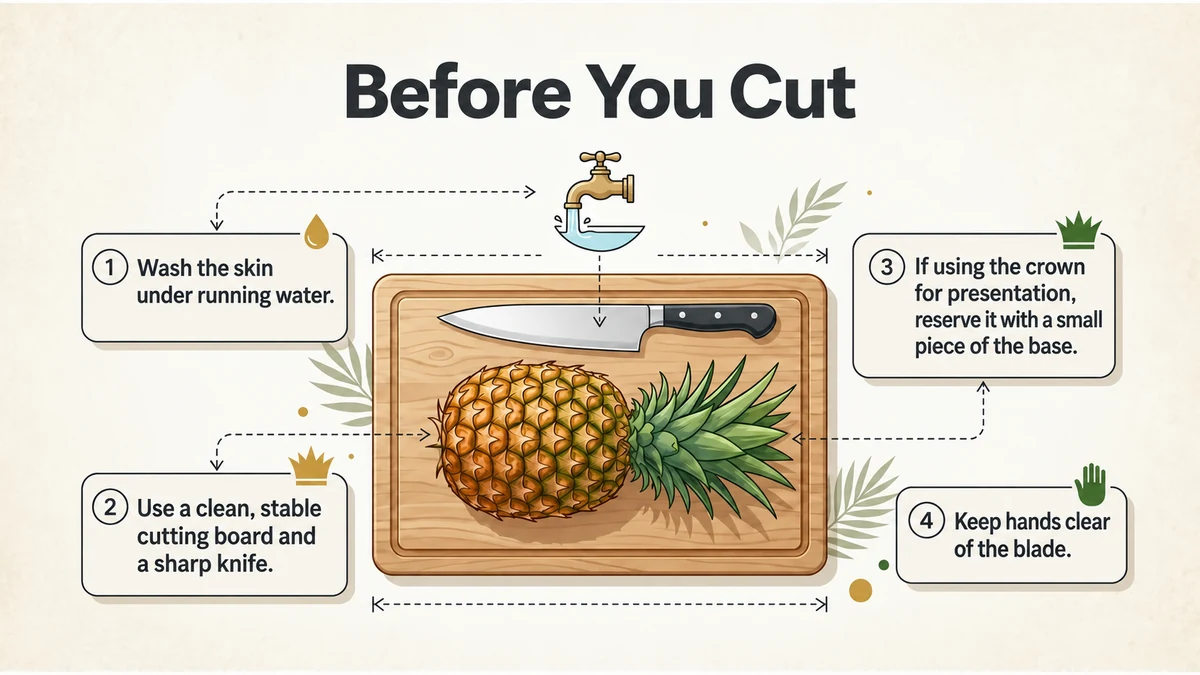
Wash the skin under running water just before cutting. Use a clean, stable board and a sharp knife. If keeping the crown for presentation, reserve it with a little of its base.
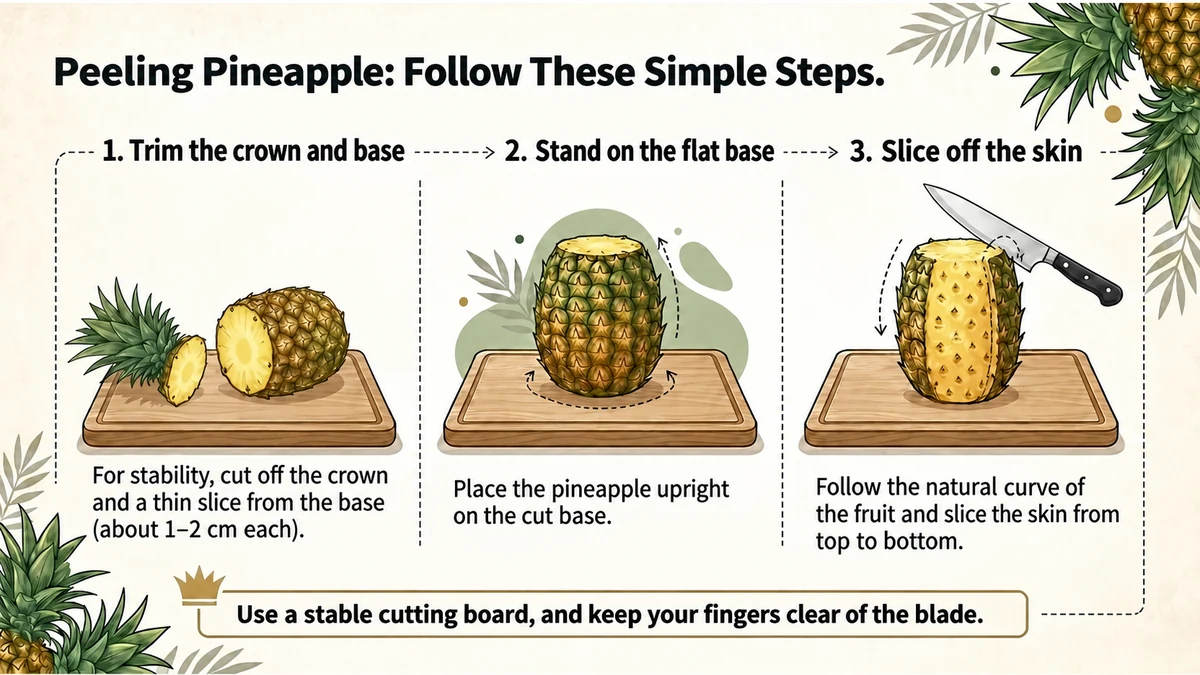
- Lay the fruit on its side and trim about 1–2 cm from the crown end and base.
- Stand it upright on the flat cut base.
- Slice from top to bottom, following the fruit’s curve and retaining as much flesh as practical.
- Remove the diagonal eye rows with shallow V-shaped cuts.
- Quarter lengthways and trim the firm central core if needed.
- Cut into bite-size pieces, thin slices or sticks.
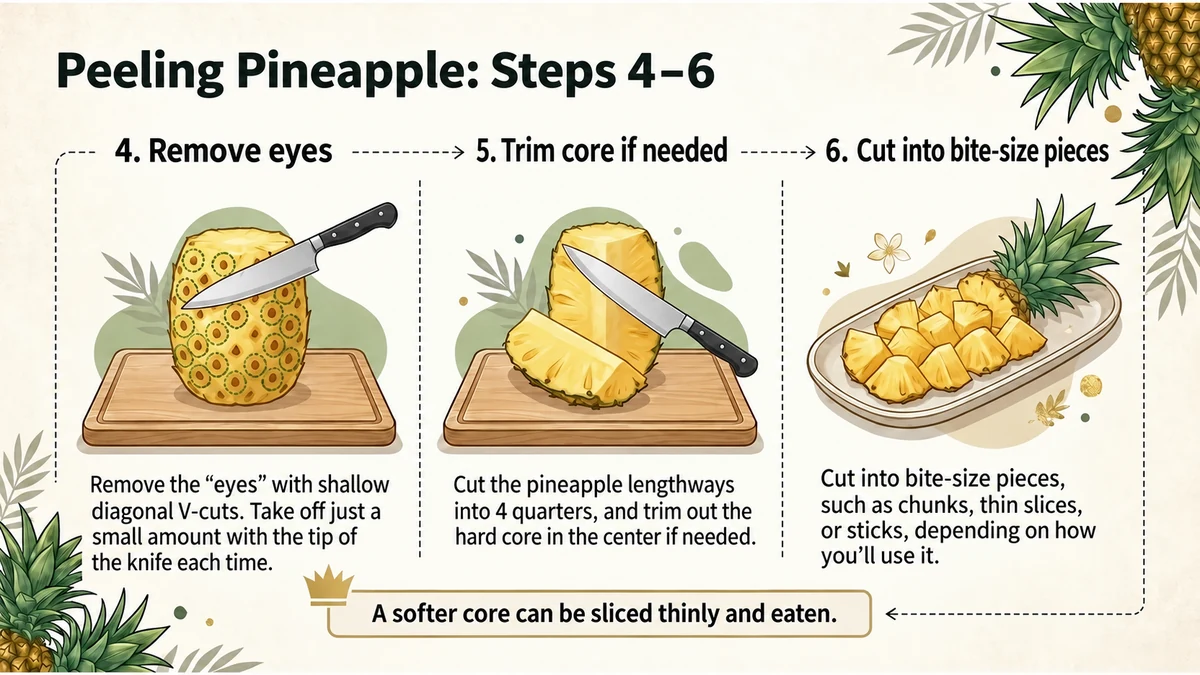
A flat base, stable board and sharp knife help you work safely. Keep fingers clear of the blade. If the core is soft enough, it can be sliced thinly and eaten.
Four ways to enjoy it locally
1. Eat it fresh
Try the first piece plain to appreciate its sweetness, acidity and aroma. Chilled pineapple is refreshing in hot weather.
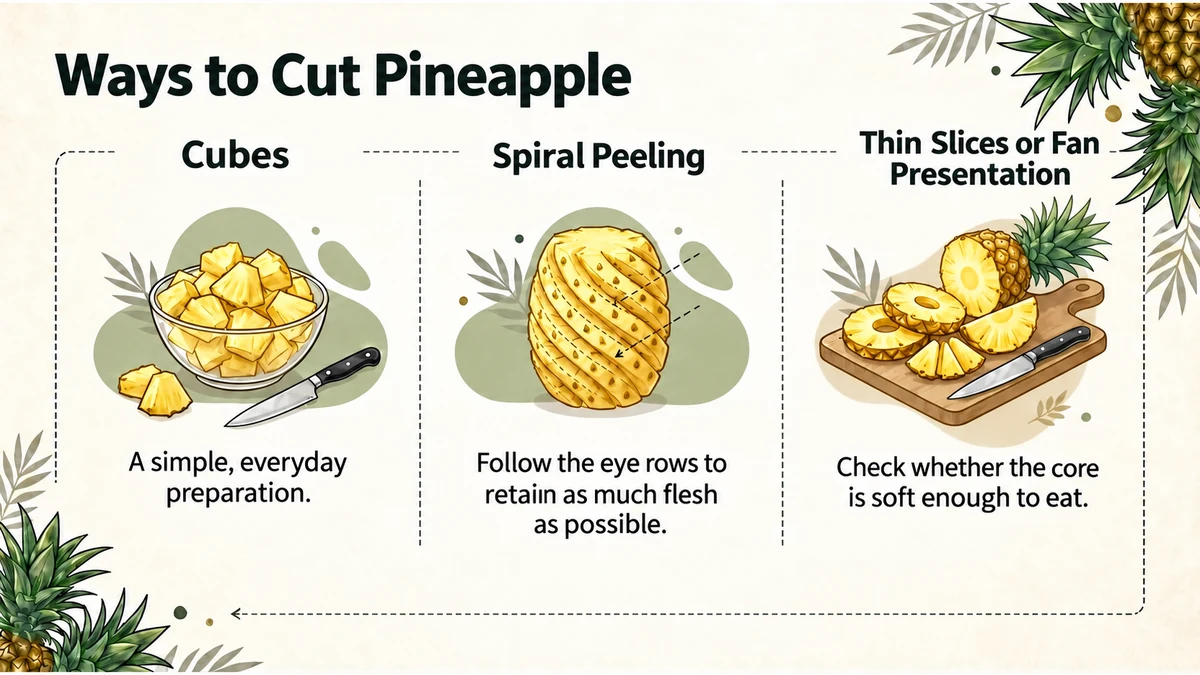
Cubes are a simple choice. Spiral peeling follows the eye rows, retaining flesh and creating a decorative surface. With thin slices or fan-shaped presentation, check the core’s firmness and remove it if too tough.
2. Try chilli salt
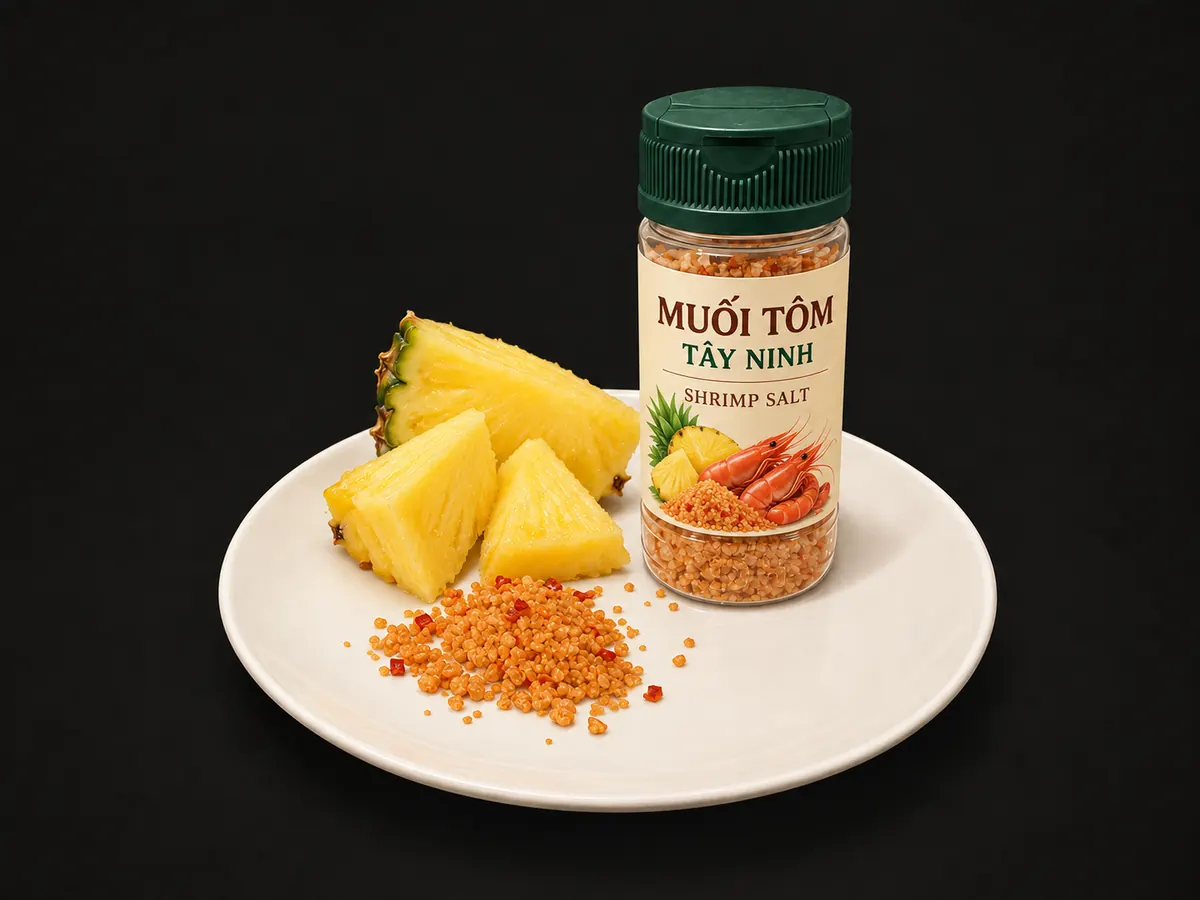
In Vietnam, fruit may be served with muối ớt, chilli salt, or muối tôm, shrimp salt. A little salt and heat changes the sweet-tart flavour. Try a small amount on the edge of your plate first; shrimp salt contains shellfish.
3. Use it in cooking
Tart pineapple can be added to canh chua, a sour soup, and to fish dishes. Alongside fresh eating, it serves as an ingredient that balances the flavour of a meal.
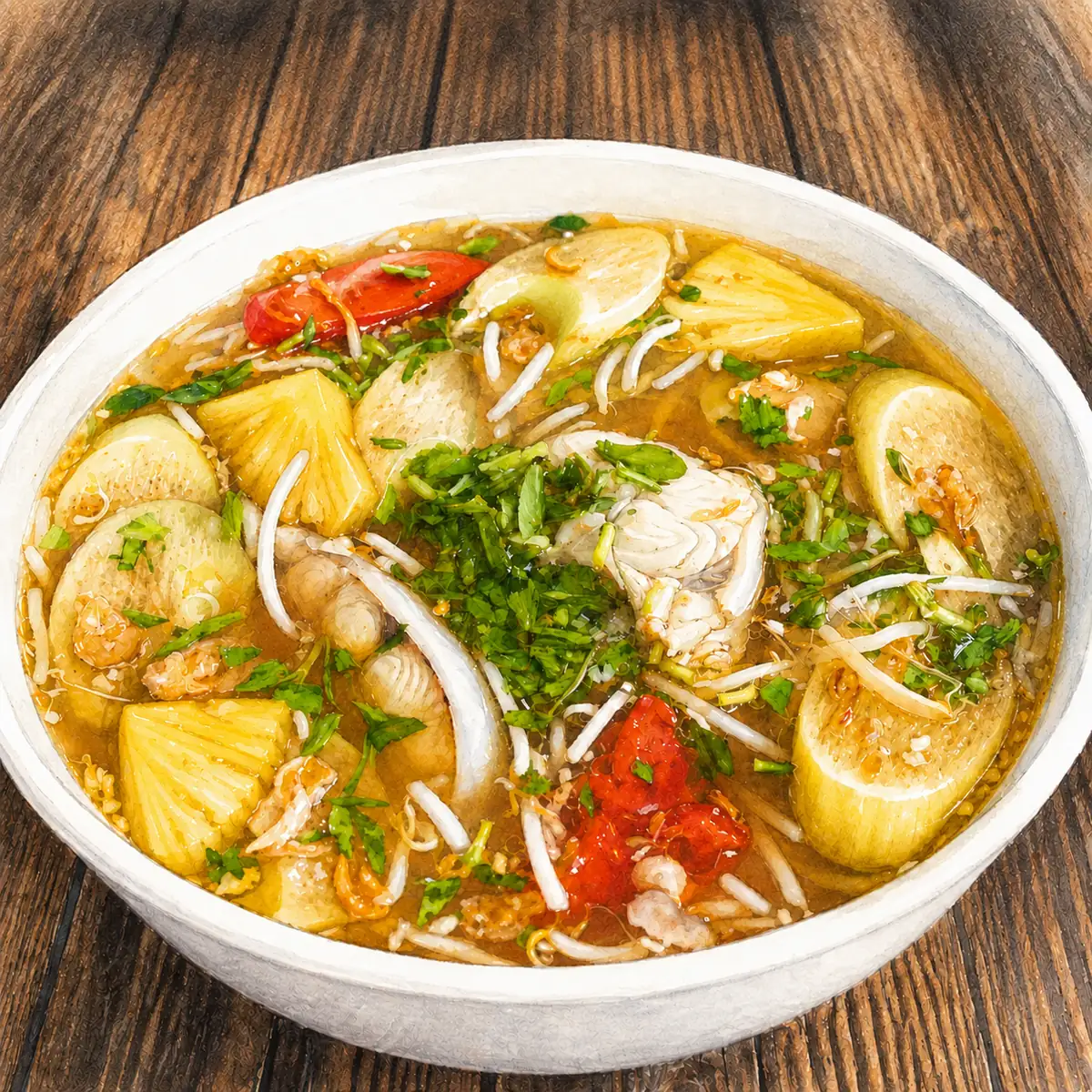
An illustrative Vietnamese canh chua with pineapple, fish and tomato.
4. Enjoy juice and desserts
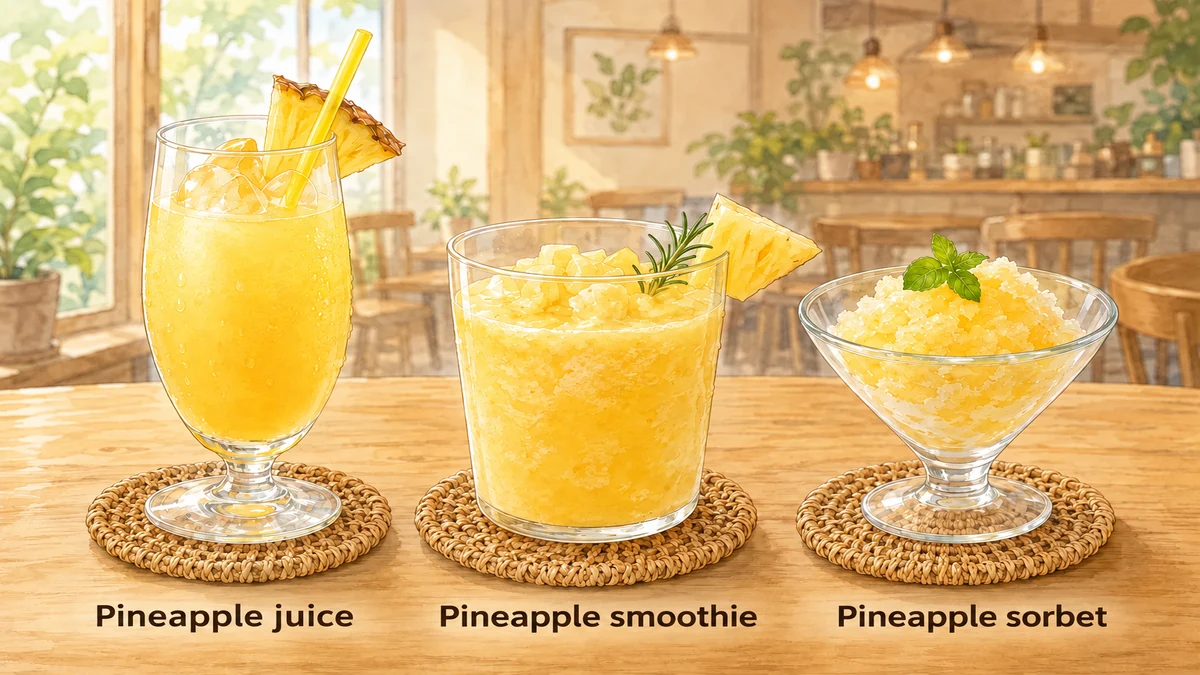
Juicy pineapple works in juice, smoothies, ice pops, sorbet and jelly. Chilled flesh can also accompany a refreshing dessert.
Indicative food and drink prices
These ranges reflect prices I observed in Vietnam as of August 2026. They vary with city, venue, portion and ingredients. Some restaurants add tax or service charges.
| Menu item | Indicative price | Notes |
|---|---|---|
| Canh chua, sour soup | 200,000–300,000 VND | Depends on fish or shrimp, portion and venue |
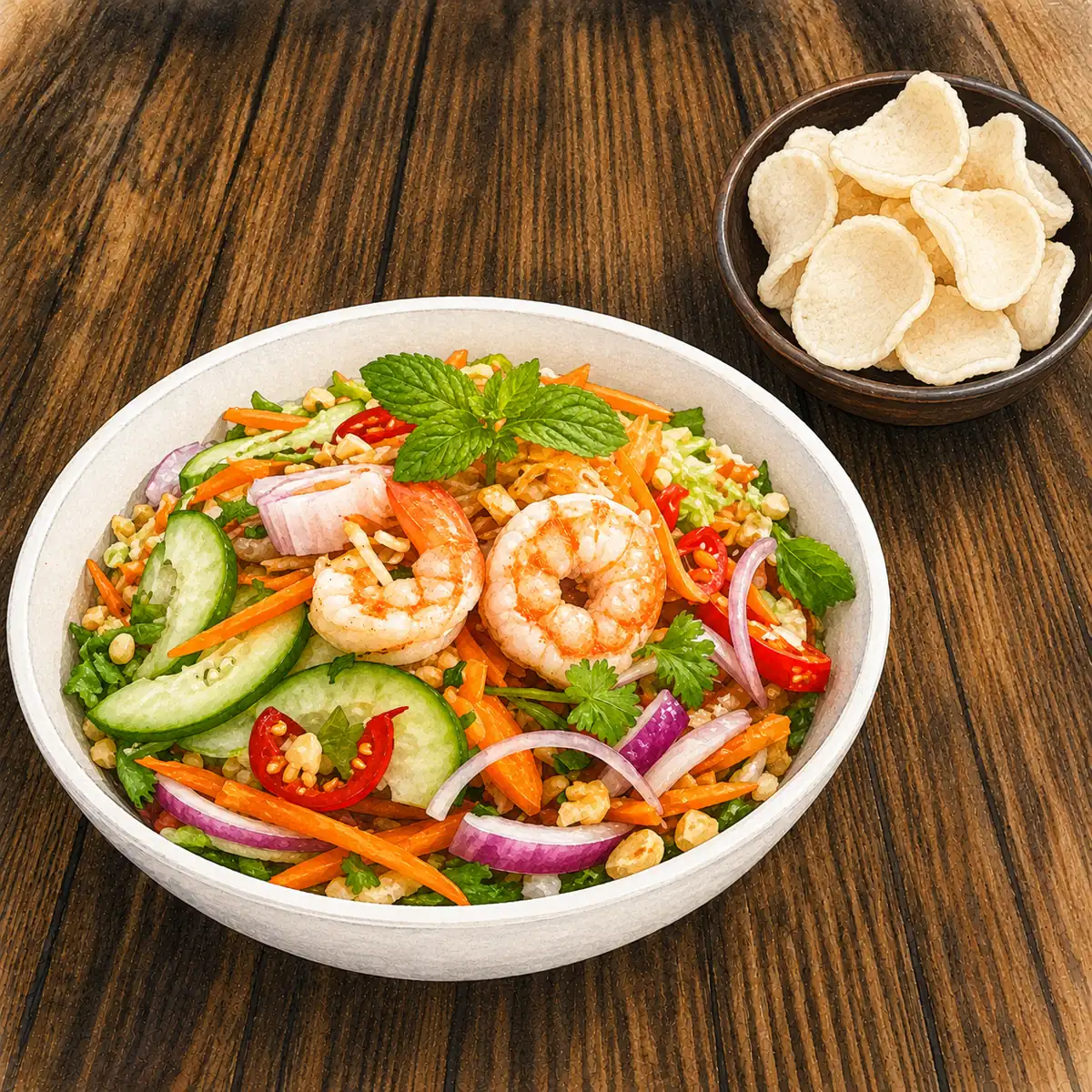
| Gỏi tôm thơm, shrimp and pineapple salad | 150,000–250,000 VND | Depends on the amount of shrimp and venue |
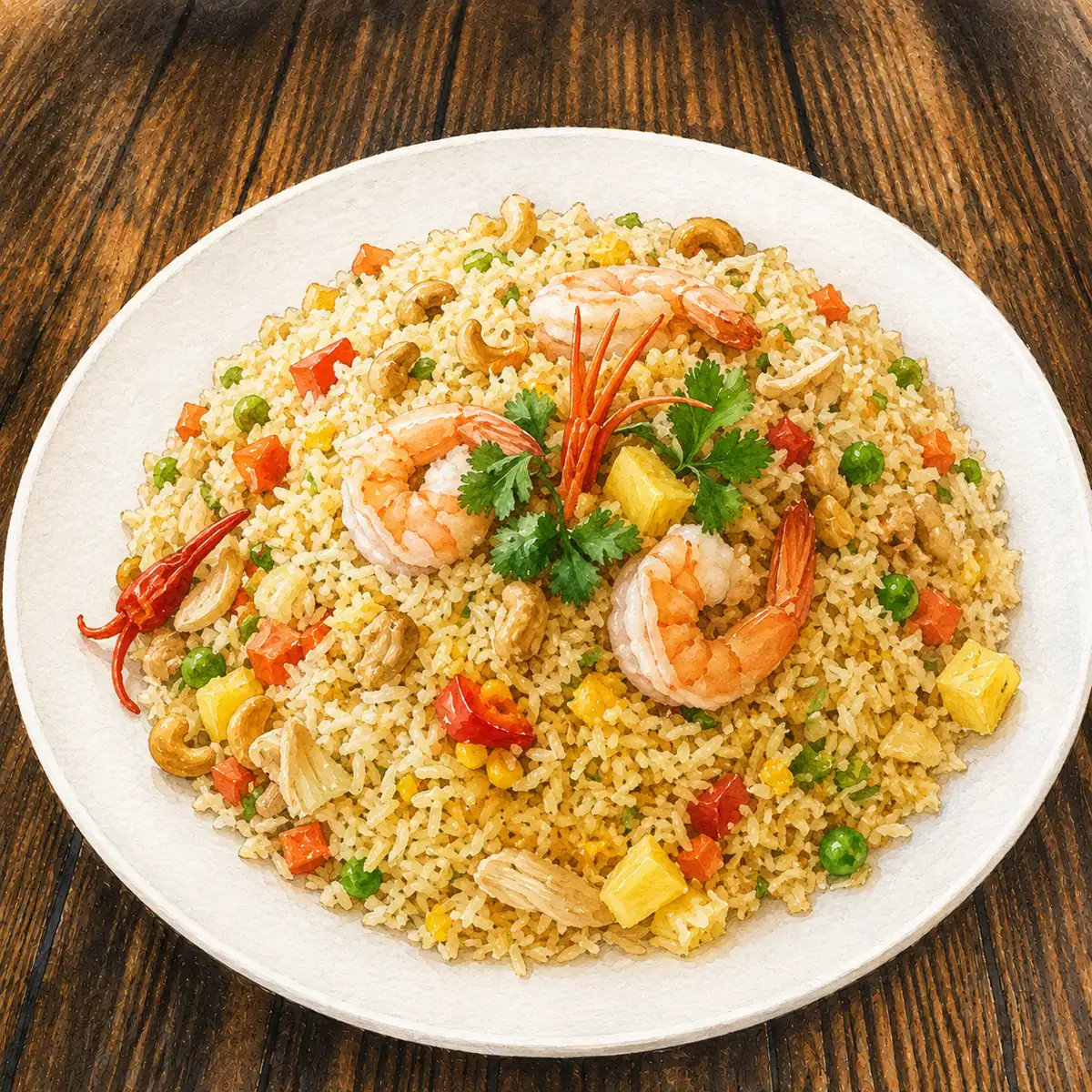
| Cơm chiên khóm, pineapple fried rice | 100,000–200,000 VND | Seafood or presentation in a pineapple shell may cost more |
| Juice, sorbet or smoothie | 40,000–100,000 VND | Depends on size, venue, dairy and toppings |
Presentation ideas
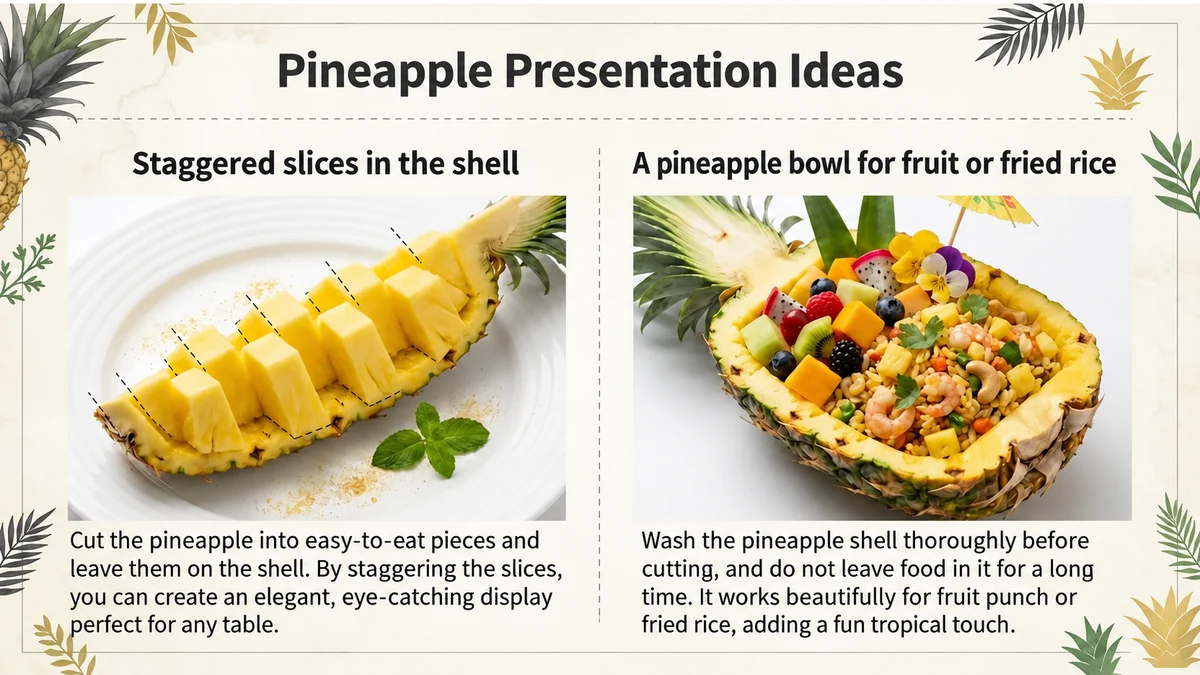
Leave the shell as a long serving boat and stagger the slices, or hollow out half a fruit for fruit salad or fried rice. Wash the shell before cutting and avoid leaving food in it for a long time.
Storage and pre-cut fruit
Do not leave a whole pineapple for days expecting it to become sweeter. In Vietnam’s heat, keep it out of direct sun and prepare it while it is in good condition.
Refrigerate cut fruit promptly in a clean sealed container. General food-safety guidance advises limiting perishable food at room temperature to two hours, or one hour above about 32°C. Keep the journey short when buying fruit peeled at a market.
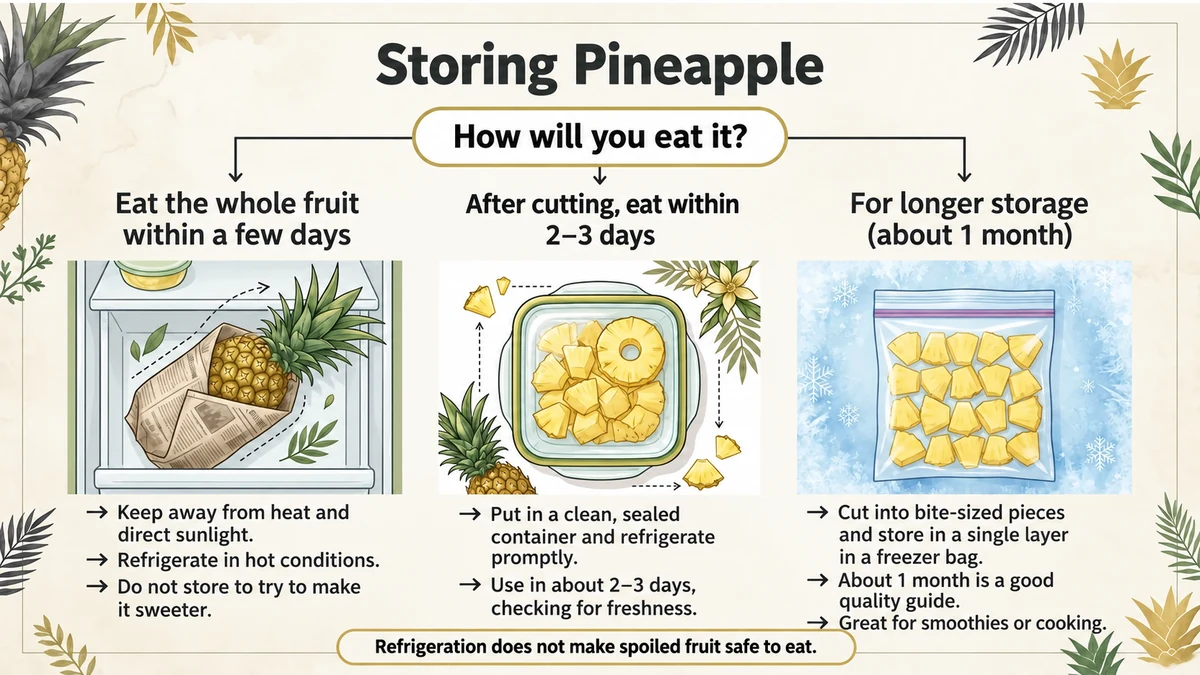
- Whole fruit for the next few days: avoid heat and direct sunlight; refrigerate in hot conditions and use promptly. Do not store it to sweeten.
- Cut fruit: refrigerate immediately in a clean sealed container and aim to use within about 2–3 days, checking smell and condition.
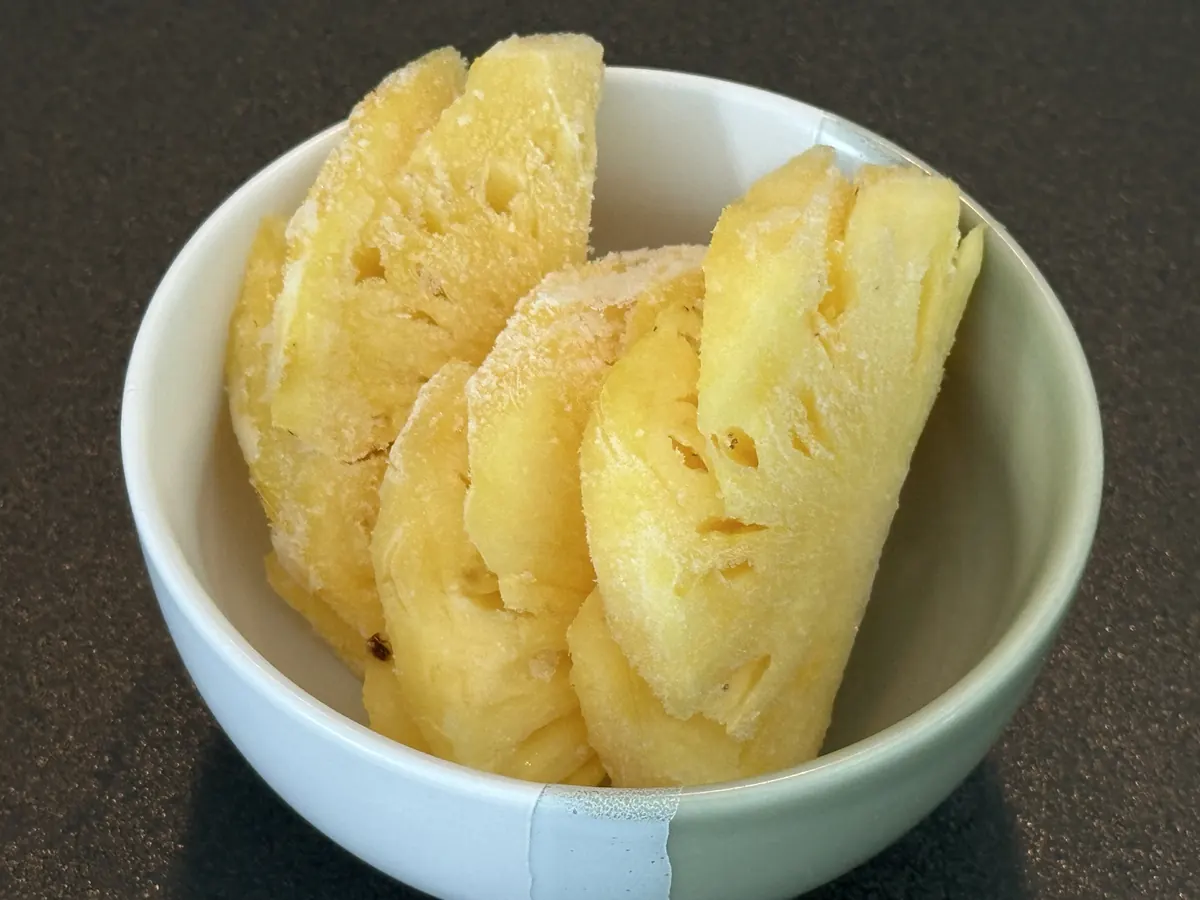
- Longer storage: freeze bite-size pieces separately before packing. About one month is a quality guide. Thawed fruit is softer and useful for smoothies or cooking.
Using the peel and core in a drink
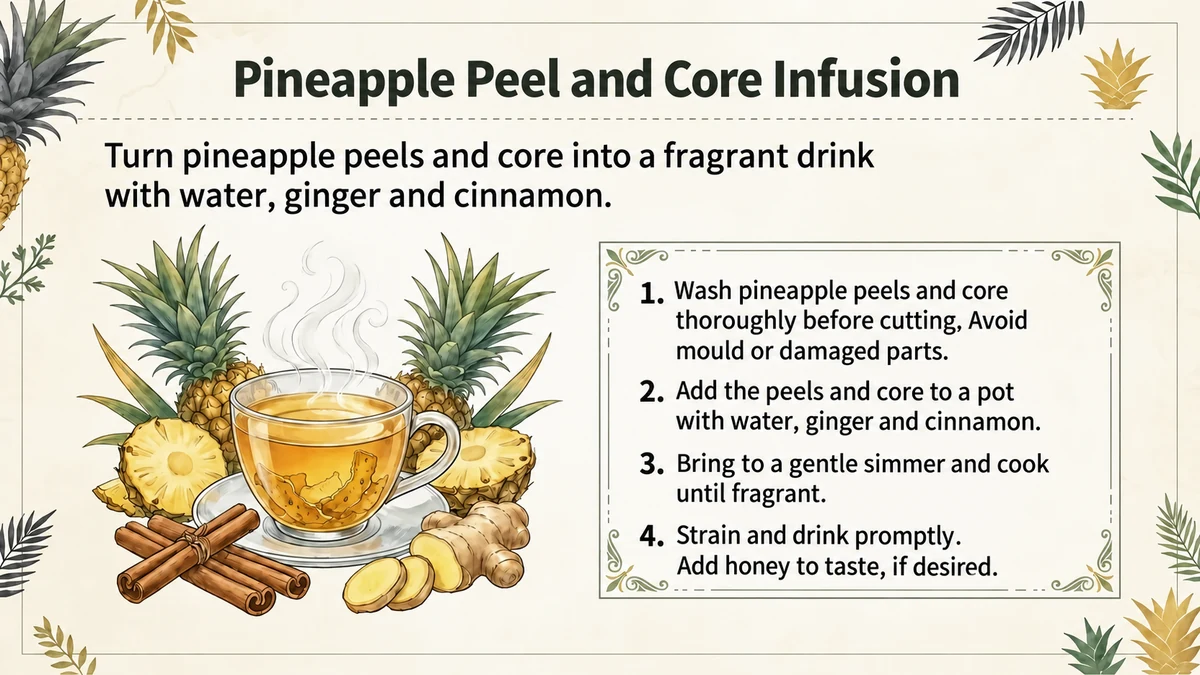
Pineapple peel and core can be simmered with water, ginger and cinnamon for an aromatic drink. Wash the whole fruit before cutting, avoid mould or damaged parts, heat thoroughly and drink promptly.
Why does pineapple make the mouth tingle?
The fruit and stem contain bromelain, a group of protein-digesting enzymes. Fruit acids may also contribute to mouth irritation.
Stop eating if you feel irritation or discomfort. Do not keep eating or immediately try the fruit again. Seek medical advice if symptoms persist, recur or spread.
Hives, swelling of the face, lips, tongue or throat, breathing difficulty, wheezing, repeated vomiting, dizziness or faintness may indicate anaphylaxis. Stop eating and seek emergency medical help immediately. Vietnam’s ambulance number is 115; language and destination limitations can apply. Keep your accommodation, travel insurer and suitable local medical contacts available.
Can you take fresh pineapple back to Japan?
Travellers cannot bring fresh Vietnamese pineapple into Japan without completing the required procedures.
Japan’s Plant Protection Station lists an official phytosanitary certificate from the exporting country and inspection on arrival for pineapple from Vietnam. Buying fruit at a shop does not satisfy those requirements. Eating it during your stay is usually more practical.
Conditions can change. The official guidance was checked on 11 October 2026; check again before travelling.
My tasting notes
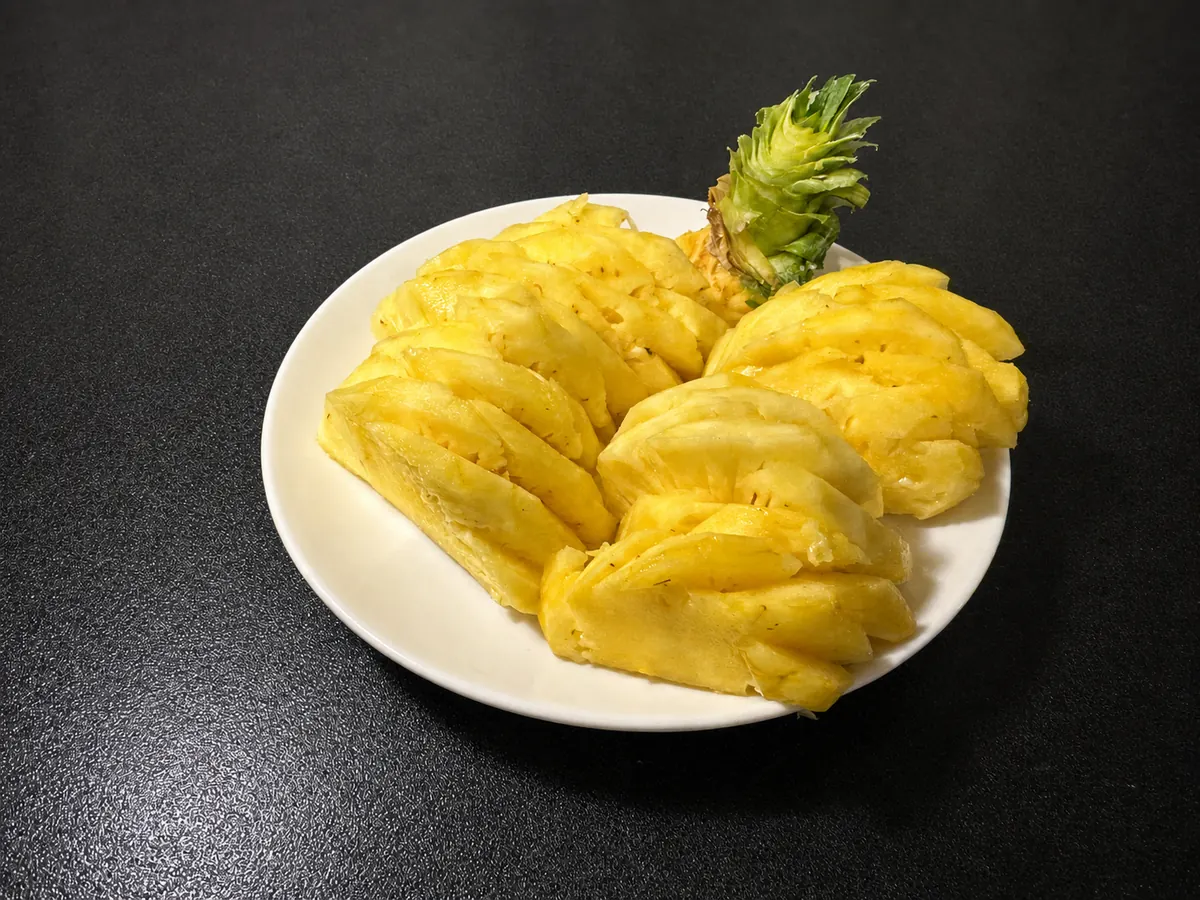
The pineapple I bought, peeled in a spiral; also shown in the Vietnam Fruit Guide.
Purchase record
Place: an open-air market in Hanoi
Date: 5 July 2026
Price: 25,000 VND per fruit, including peeling
Tasting notes
Rich sweetness, a pronounced aroma and juicy flesh, with a moderate bite in a small fruit. The spiral-peeled appearance was memorable.
Beginner rating: ★★★★☆
I also tried pineapple drinks and desserts in a cafe.
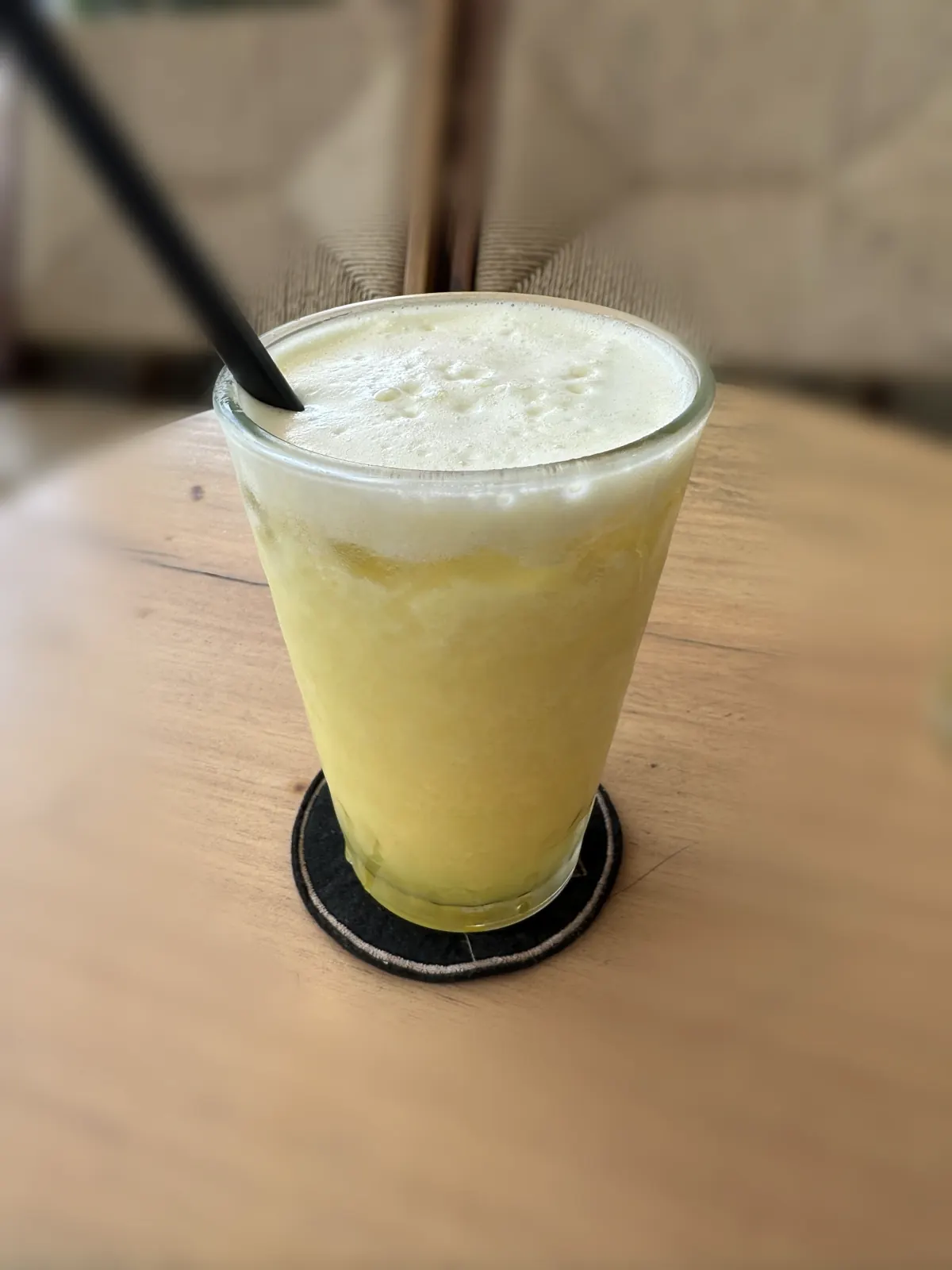
Pineapple juice at a cafe, priced at 45,000 VND.
Frequently asked questions
Can you buy it year-round in Vietnam?
It is generally easy to find throughout the year, though quantity and condition vary with region, cultivar and growing season.
Will it become sweeter if I leave it after buying?
No. Check aroma, weight and condition when buying and choose fruit ready to eat.
Can sellers peel it for me?
Market and roadside sellers may peel it on the spot. Ask “Gọt giúp tôi nhé,” or point to prepared fruit and confirm with the seller.
Can you eat the core?
Yes, but it is usually firmer and more fibrous than the surrounding flesh. Slice it thinly or remove it if too tough.
Can you take it back to Japan?
Fresh fruit requires a phytosanitary certificate and arrival inspection. Without the procedures, enjoy it in Vietnam instead.
A recap
Pineapple is easy to buy in Vietnam’s markets and supermarkets, and sellers may peel it for you.
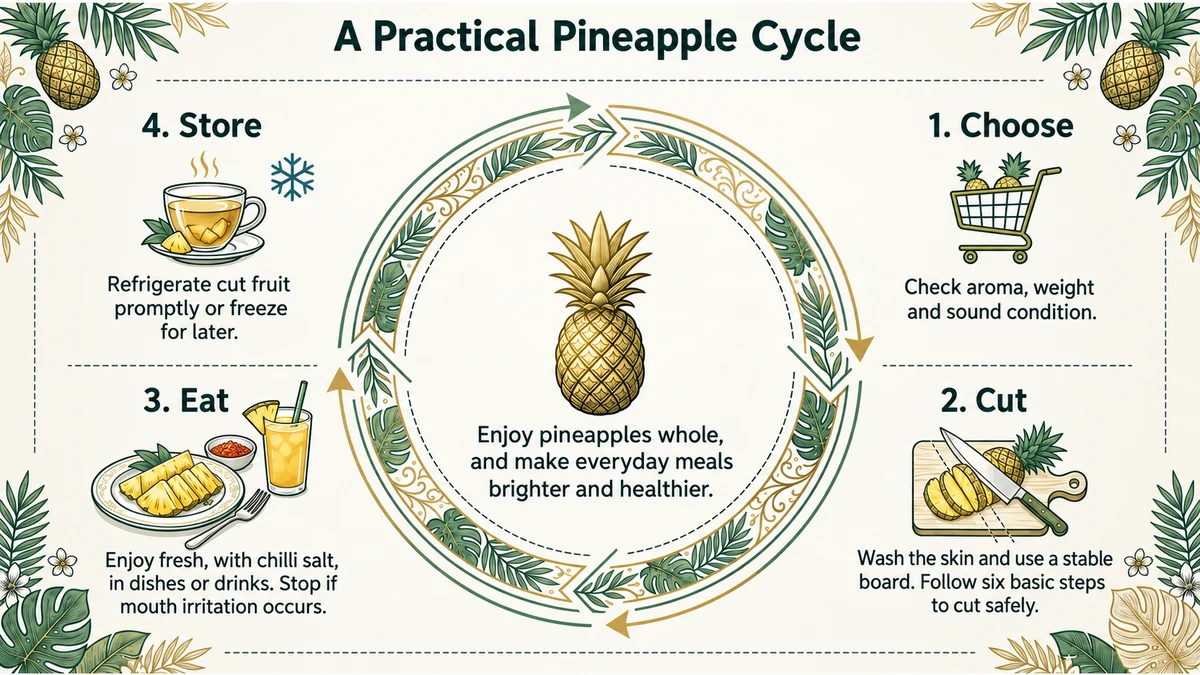
- Choose: check aroma, weight, leaves, shape and condition; sweetness will not increase after harvest.
- Cut: wash the skin, use a stable board and follow the six basic steps or spiral-peeling method.
- Eat: enjoy fresh, with chilli salt, in salads, fried rice, soup or juice. The shell can also serve as a presentation bowl.
- Store: refrigerate cut fruit promptly or freeze pieces for smoothies and cooking.
- Use thoughtfully: sound peel and core can be washed and heated for an aromatic infusion.
- Travel: taking fresh fruit into Japan requires a phytosanitary certificate and plant inspection.
Start with a small fruit you can finish. Having it peeled in front of you offers both a taste and a glimpse of local knife skills.
Learn more about pineapple
- Botany, varieties, nutrition and season: Pineapple Guide
- History, names, global journeys and Vietnamese folktales: Pineapple History and Stories
References
- Vietnam Airlines: Discovering Top 20 Vietnam’s Tropical Treasures
- Tuổi Trẻ: Củ hũ khóm — món quê dễ ghiền
- UC Davis Postharvest Research and Extension Center: Pineapple
- USDA FSIS: Keep Food Safe! Food Safety Basics
- NCCIH: Bromelain — Usefulness and Safety
- U.S. FDA: Food Allergies
- Japan Ministry of Foreign Affairs: Medical information for Vietnam
- Japan Plant Protection Station: Vietnam
Japan Plant Protection Station: Vietnam traveller restrictions — Reviewed 11 October 2026.
