How to Eat Bananas in Vietnam: Choosing, Cooking and Storage
Published October 9, 2026
Bananas need no knife or cutting board: simply peel and eat. In Vietnam, they are also wrapped in sticky rice and grilled, simmered in coconut milk, or battered and fried. Green, unripe bananas can even be cooked in savory stews like a vegetable.
When shopping at markets or supermarkets, choose ripeness according to whether you plan to eat them immediately or a few days later. This article covers local prices and shopping options, selection, peeling, cooking, storage and the rules for taking bananas to Japan.
For biology and varieties, see the Banana Guide. For their origins and worldwide journey, see Banana: History and Stories.
Bananas in Vietnam: Prices, Seasons and Ways to Eat Them
| Item | Details |
|---|---|
| Vietnamese name | Chuối |
| Approximate pronunciation | “Choo-oy” (only a rough English guide) |
| Flavor | Very sweet when ripe; grassy and astringent when unripe |
| Texture | Smooth, dense and creamy flesh |
| Availability | Year-round; demand rises before Lunar New Year |
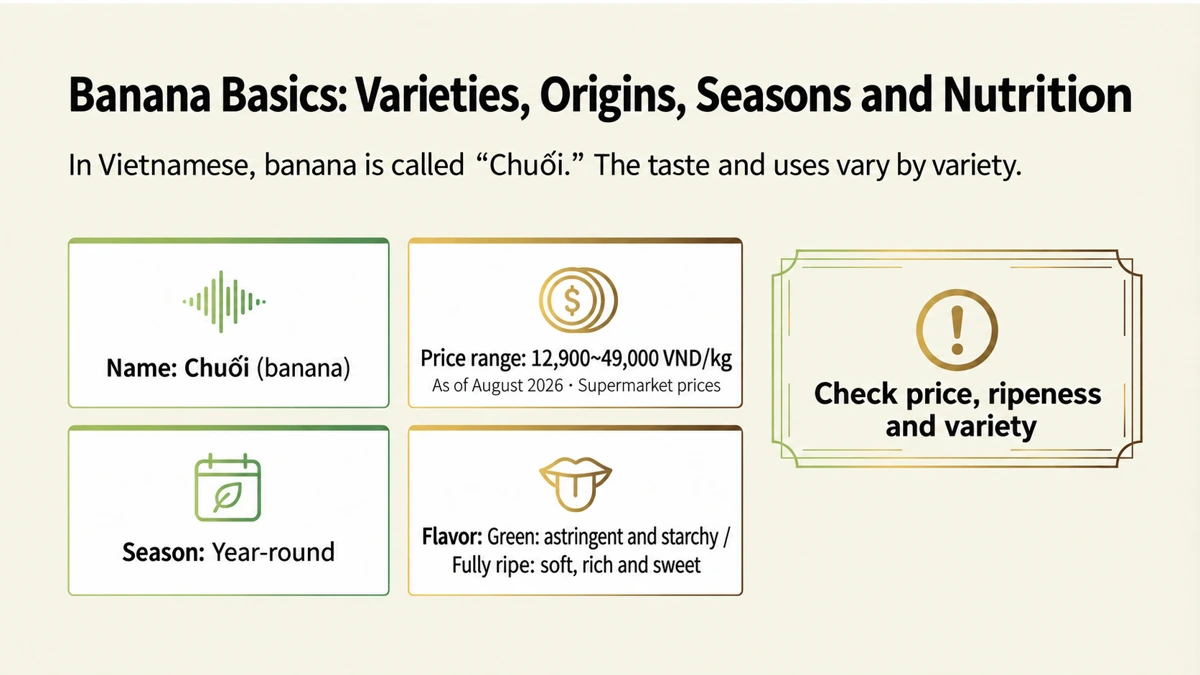
| Example prices | 12,900–49,000 VND per kg, with large differences between products (supermarket shelf prices photographed in August 2026) |
| Where to buy | Supermarkets, open-air markets, itinerant vendors and roadside fruit stalls |
| Basic way to eat | Open the peel at one end, peel and eat |
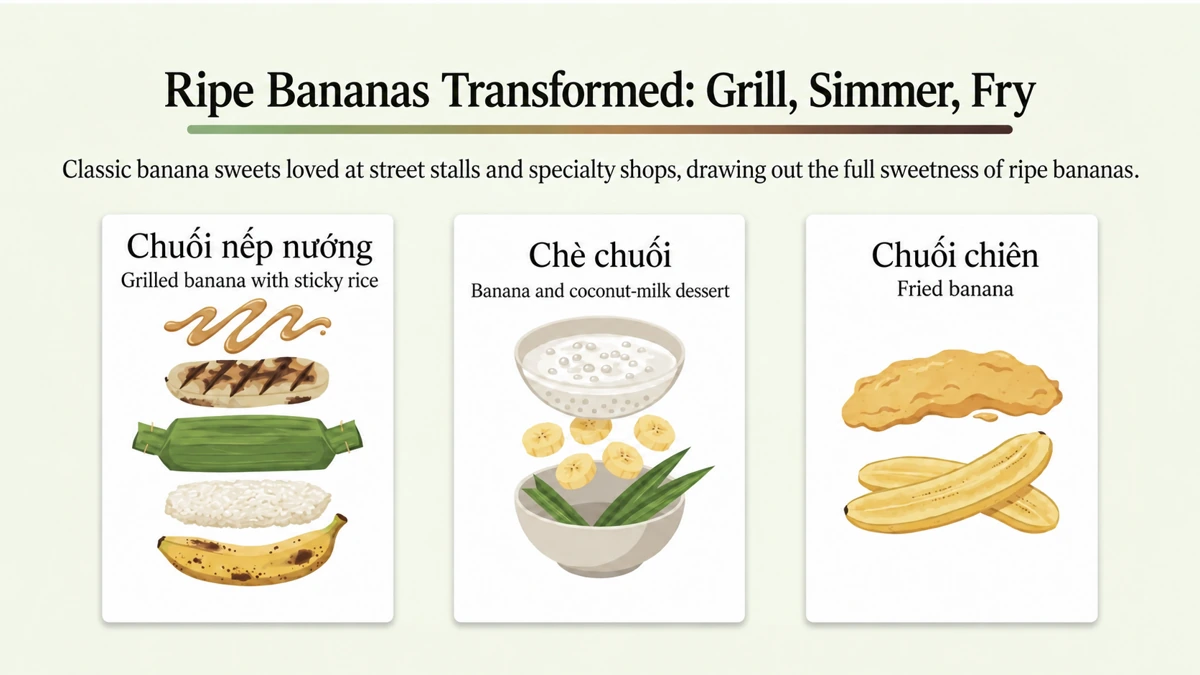
| Local preparations | Chuối nếp nướng (grilled banana in sticky rice), chè chuối (banana in a coconut-milk dessert), and chuối chiên (fried banana) |
| Author’s beginner-friendliness rating | ★★★★★ |
These are examples from supermarket shelf prices photographed by the site owner in August 2026, not a nationwide price range. Prices vary with product, region, season and shopping location. The stall photograph appears below in the resident’s tasting notes.
Banana Is Chuối in Vietnamese
The Vietnamese word for banana is chuối. As the companion Banana Guide explains, types include chuối tiêu, a traditional dessert banana, and the thicker chuối xiêm/sứ, used fresh and in cooking. Simply remembering chuối will help you find bananas at markets and supermarkets.
Ripeness: Reading Peel Color and Brown Spots
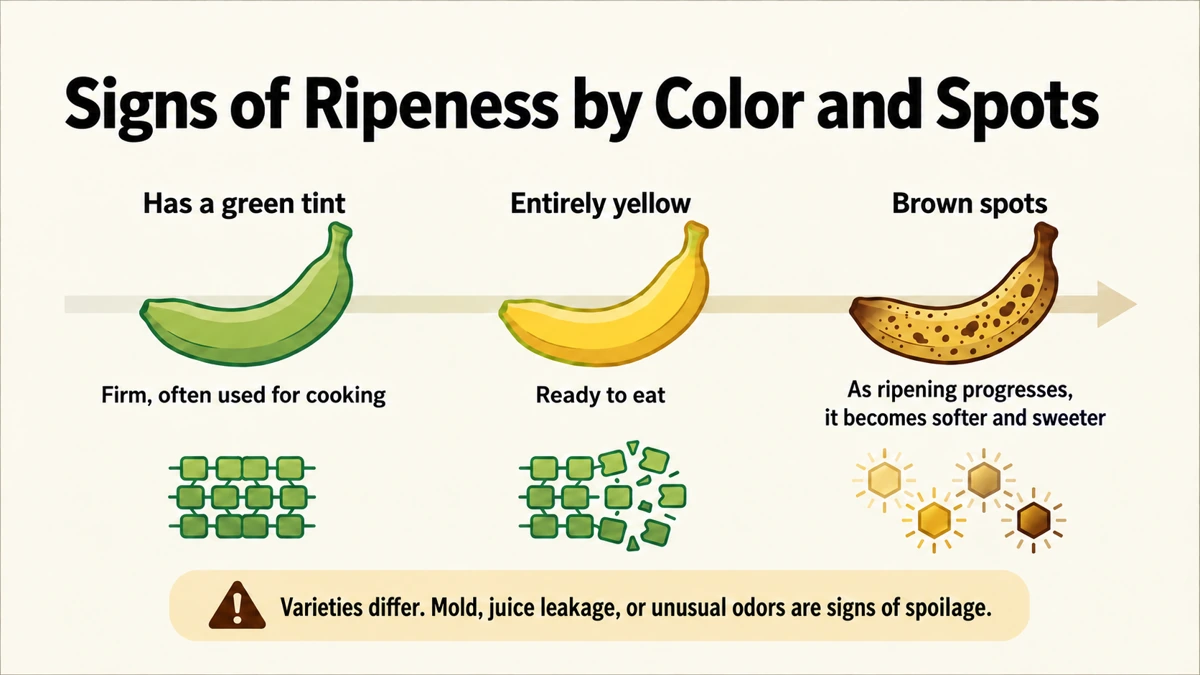
Bananas continue to ripen after harvest. Unripe flesh contains more starch and can be firm and astringent. During ripening, some starch turns into sugars, the flesh softens and sweetness increases.
In varieties whose skins turn yellow, small brown spots offer a rough indication of ripening. The flesh is generally softer and sweeter by this stage. Peel color and spotting nevertheless vary by cultivar and storage conditions. Mold, leaking juice, unusual odors and discoloration extending into the flesh should be distinguished from ordinary ripening.
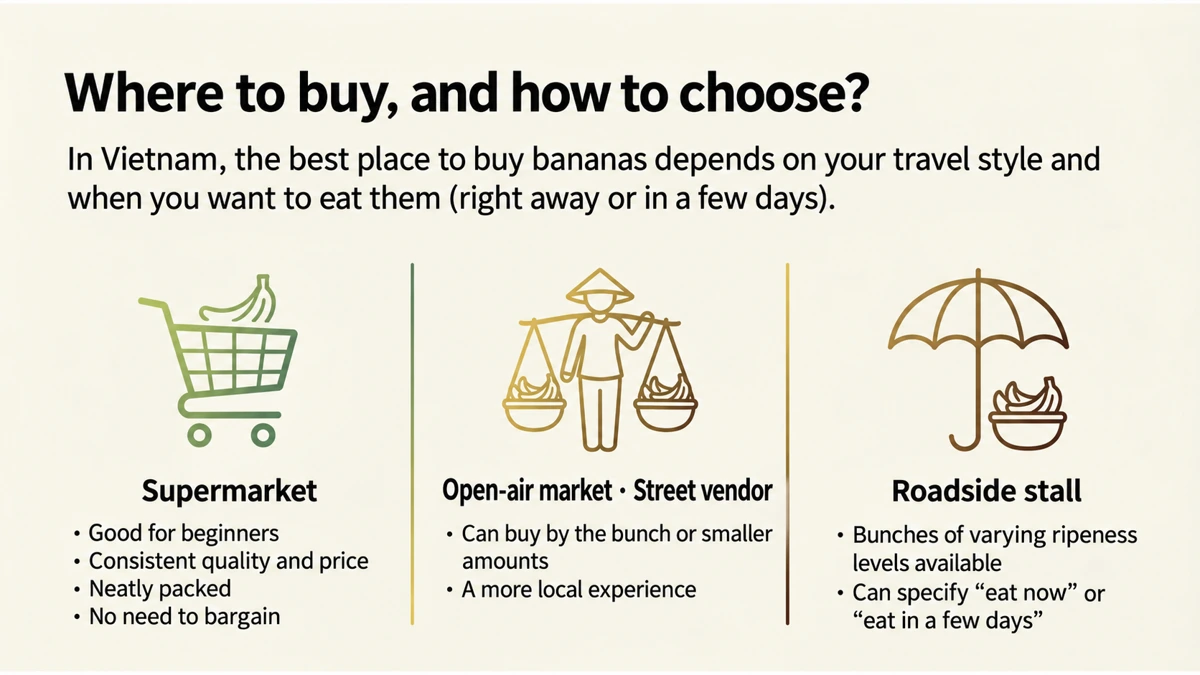
Banana Prices and Where to Buy Them in Vietnam
Supermarket prices checked in August 2026 ranged from 12,900 to 49,000 VND per kg, depending on brand or variety. Even at one store, inexpensive local types and imported or premium brands can differ severalfold. Region, season and shopping location also affect prices.
Open-Air Markets and Itinerant Vendors
Vendors often carry banana hands on shoulder poles or bicycle racks. You can buy a whole hand or a portion cut from it.
Supermarkets
Weights and prices are easy to check, and packaged bananas are common. This is a convenient choice if market conversations feel difficult.
Roadside Fruit Stalls
Roadside sellers may display several hands at different stages of ripeness. Tell the vendor whether you want to eat the fruit now or in a few days.
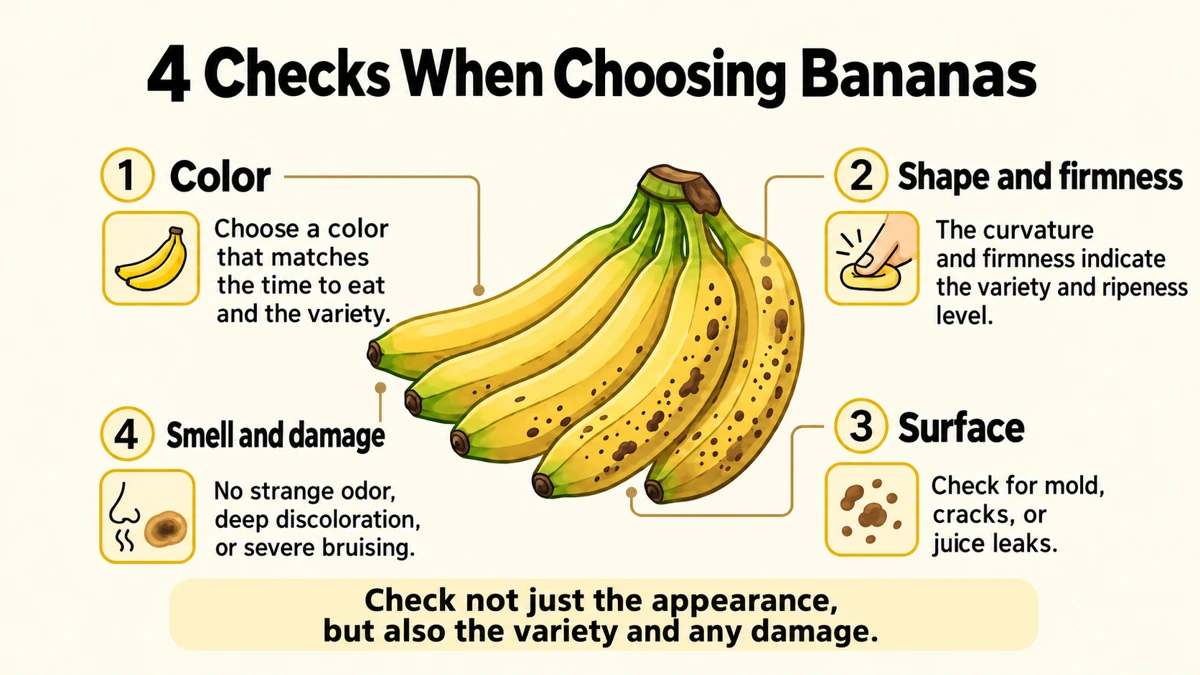
Choosing Good Bananas: Four Checks
The peel gives useful clues to ripeness, making bananas relatively easy to choose.
- Color for your eating plans: in yellow-ripening varieties, choose fully yellow fruit for immediate eating and fruit with some green for later. Some cultivars remain green when ripe, so check the product label too.
- Spoilage: small brown spots can indicate ripening, but avoid fruit with mold, leakage, unusual odors or deep splits.
- Bruising: large black, sunken areas can indicate damage extending into the flesh after rough handling.
- Splits at the base: a slightly dry cut end on the hand does not itself prove that the fruit is old. Check for splitting or mold where each fruit joins the hand.
For yellow-ripening varieties, fully yellow skins with a few small brown spots can suit immediate eating. Choose fruit with some green remaining if you want to let it ripen for a few days.
How to Eat and Peel a Banana
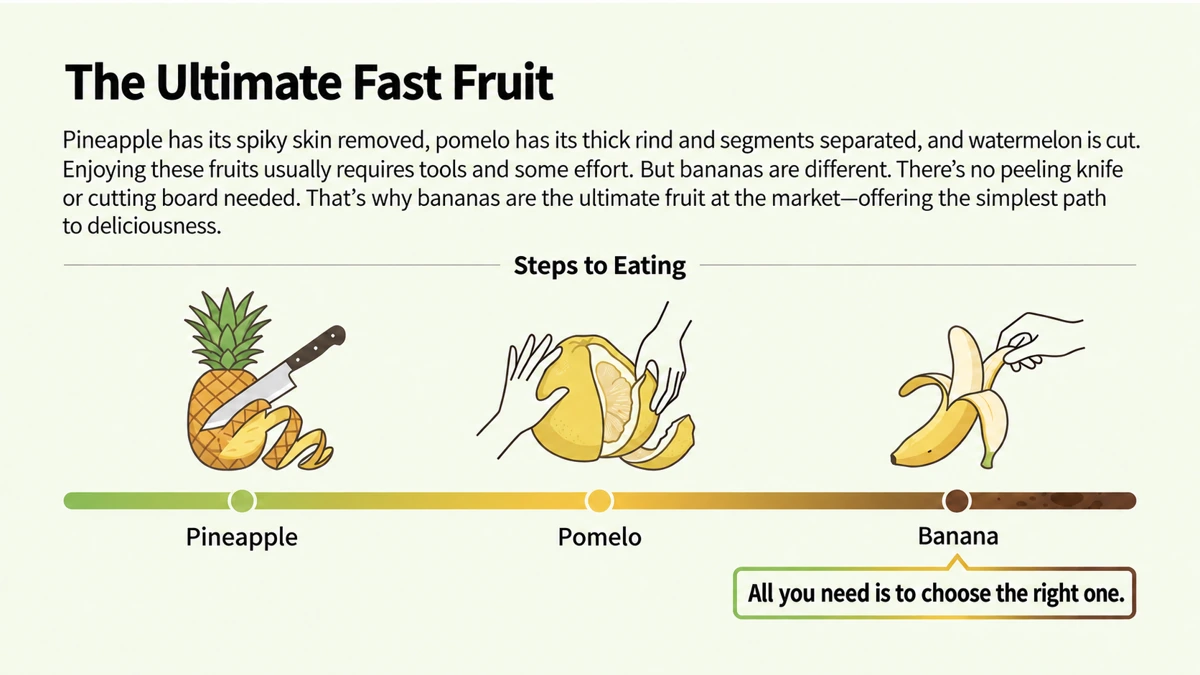
Compared with spiral-peeling a pineapple, peeling a pomelo or cutting a watermelon, a banana is simpler still. No tools are needed.
- Grip the stalk and bend it downward to split the peel at the end.
- Pull down one or two strips of peel lengthwise.
- Leave the remaining peel as a handle and take bites, or break the fruit into bite-size pieces.
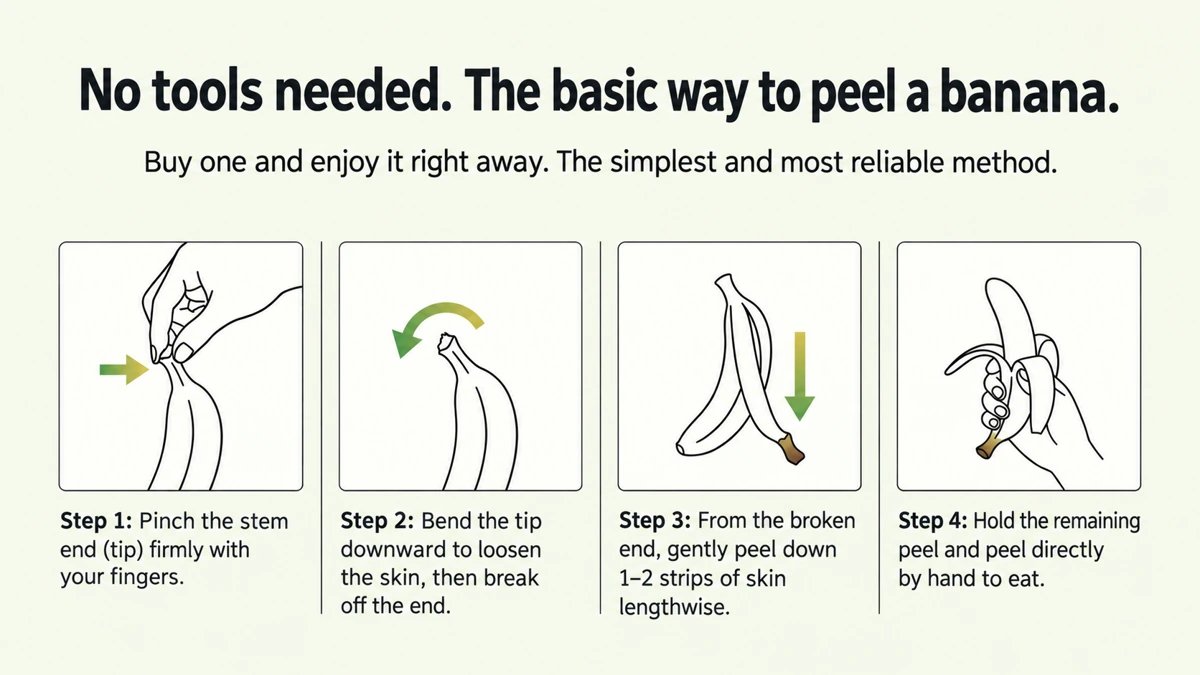
If the peel is hard to open, another method is to pinch and crush the end opposite the stalk and open it from there. This may be easier with some soft, ripe bananas.

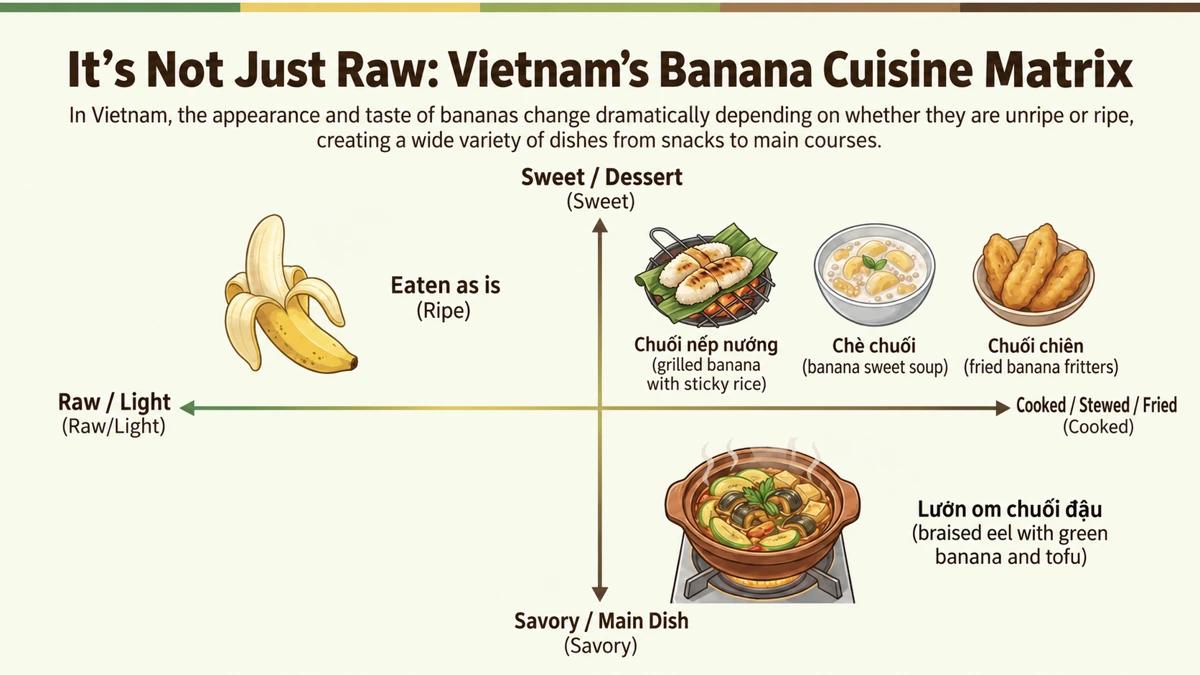
Five Ways to Enjoy Bananas in Vietnam
1. Eat Them Fresh
Simply peel and eat. Ripe chuối tiêu and chuối xiêm/sứ can be sweet enough to enjoy without anything added.
2. Chuối Nếp Nướng: Grilled Banana Wrapped in Sticky Rice and Banana Leaf
A ripe banana is wrapped in sticky rice, enclosed in banana leaf and grilled over charcoal. It can be eaten plain or served with a coconut-milk sauce and crushed peanuts. This popular street snack is sold at stalls and specialist shops.
3. Chè Chuối: Banana and Coconut-Milk Dessert
Banana, tapioca, coconut milk and pandan leaves are simmered into a dessert with a pleasantly chewy texture. It can be enjoyed warm or chilled.
4. Chuối Chiên: Fried Banana
Ripe bananas are halved lengthwise, lightly flattened, dipped in a batter that may contain wheat flour, rice flour and coconut milk, then fried. They are a familiar street-stall snack.
5. Green Bananas in Savory Cooking
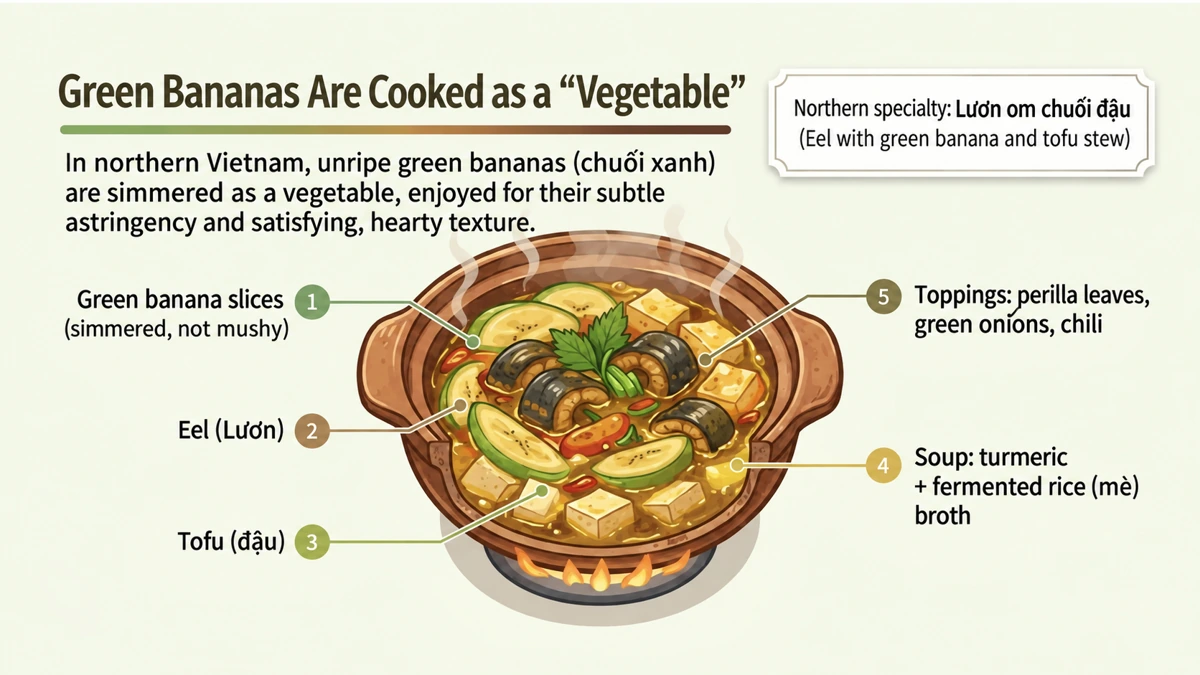
Especially in northern Vietnam, unripe chuối xanh is also used like a vegetable. A representative dish is lươn om chuối đậu, an eel, green-banana and tofu stew. Sliced green bananas, tofu and eel simmer in a sauce based on turmeric and fermented rice, mẻ, then receive herbs from the mint family, scallions and chili. Similar dishes use fish or freshwater snails and are familiar northern home cooking.
Storing Bananas: Ripening, Ripe and Cut Fruit
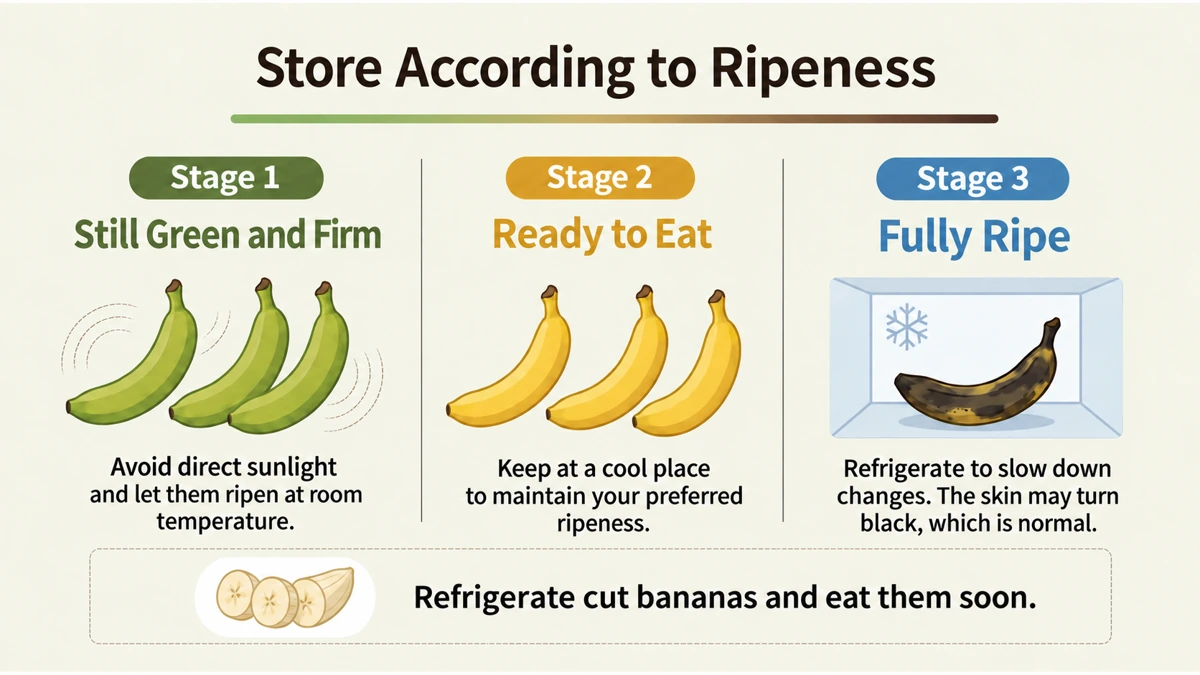
- While ripening: keep them out of direct sunlight in a ventilated place. Commercial ripening management for Cavendish uses roughly 15–20°C; at home, higher room temperatures accelerate both ripening and deterioration. Check fruit frequently in Vietnam’s hot indoor conditions.
- Once ripe to your liking: eat them soon. If you cannot, refrigeration can slow further changes. The peel may turn black without the flesh immediately becoming inedible.
- Cut bananas: cover the cut surfaces, refrigerate and eat soon. Do not leave peeled or cooked bananas at room temperature for prolonged periods.
Health Considerations When Eating Bananas
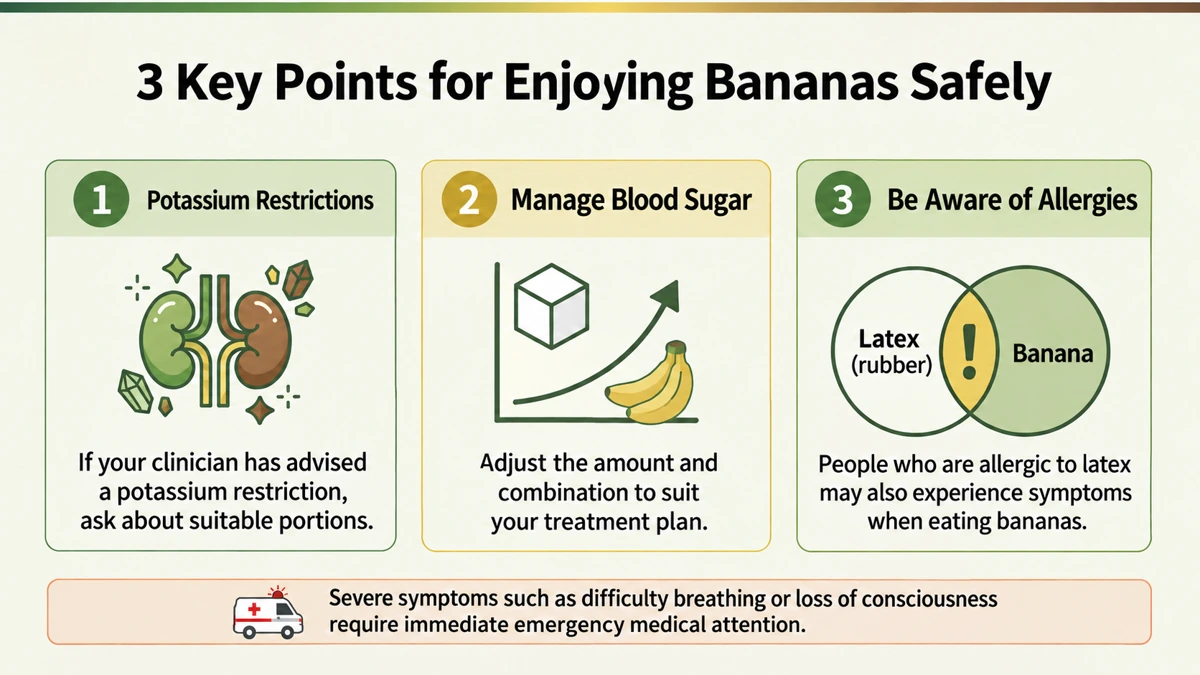
Bananas contain potassium. If you have been told to restrict potassium because of reduced kidney function or another condition, ask your doctor or registered dietitian about portions rather than deciding alone. For people managing blood glucose, suitable portions also depend on treatment and the overall diet.
Some people with latex allergy also have cross-reactions to foods such as bananas, avocados, chestnuts and kiwifruit. Stop eating if you develop mouth or throat itching, hives, breathing difficulties or other symptoms, and seek medical help according to severity. Breathing difficulty, reduced consciousness or other severe symptoms require emergency care.
Can You Bring Vietnamese Bananas into Japan?
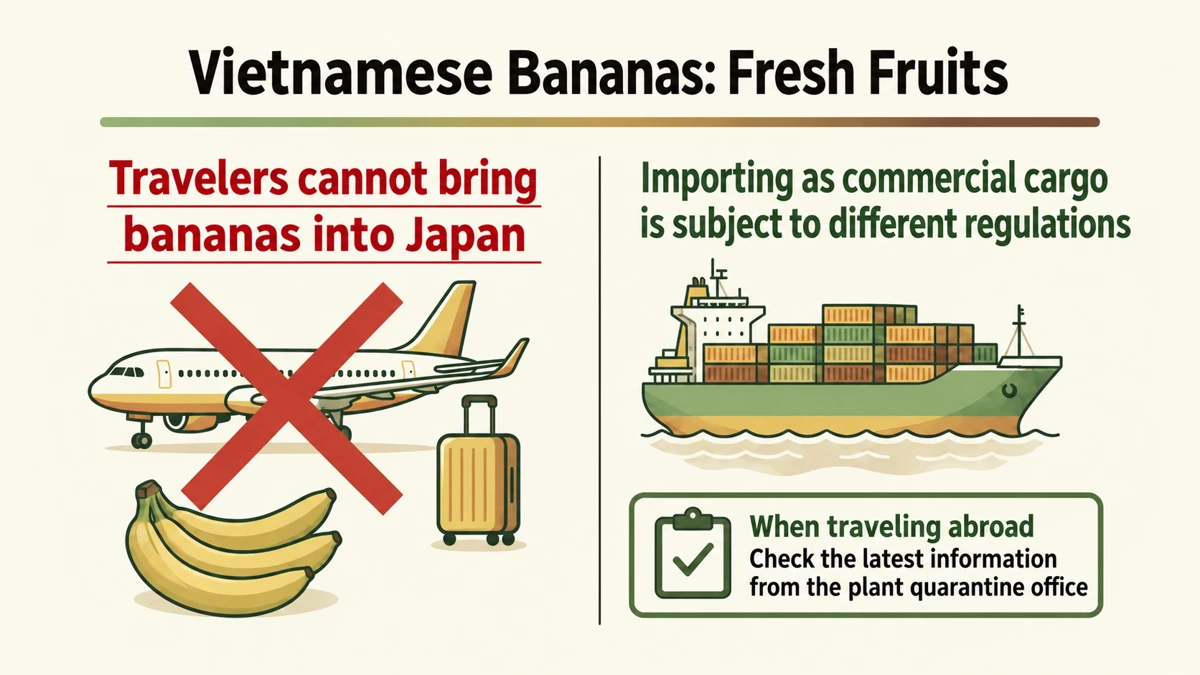
Japan’s Plant Protection Station guidance lists fresh bananas from Vietnam among items travelers cannot bring into Japan. Commercial cargo meeting the required phytosanitary conditions is imported, but commercial imports do not mean travelers may carry the fruit home in their baggage.
Requirements may change. Always check the latest guidance before traveling.
A Vietnam Resident’s Banana Tasting Notes
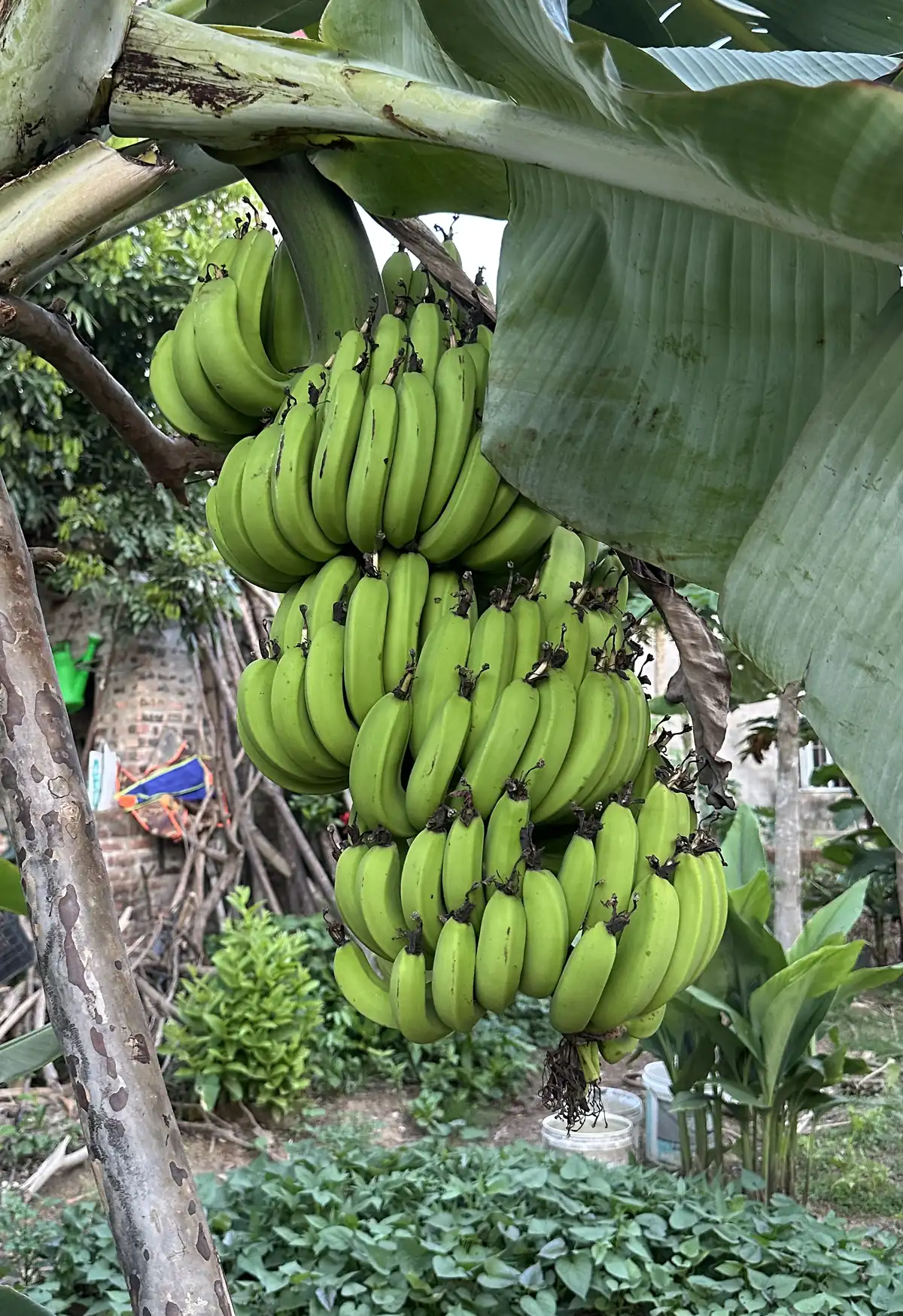
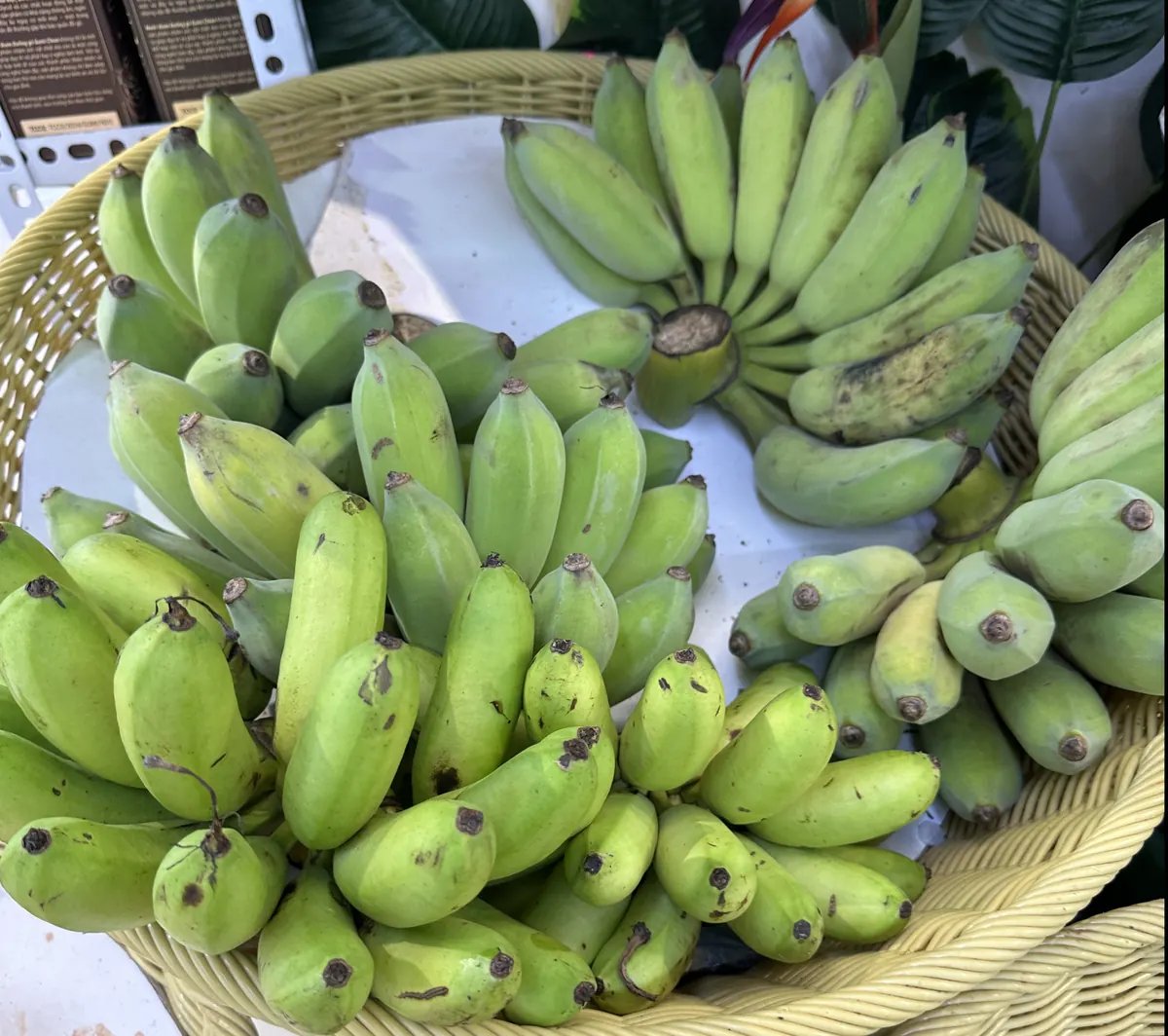
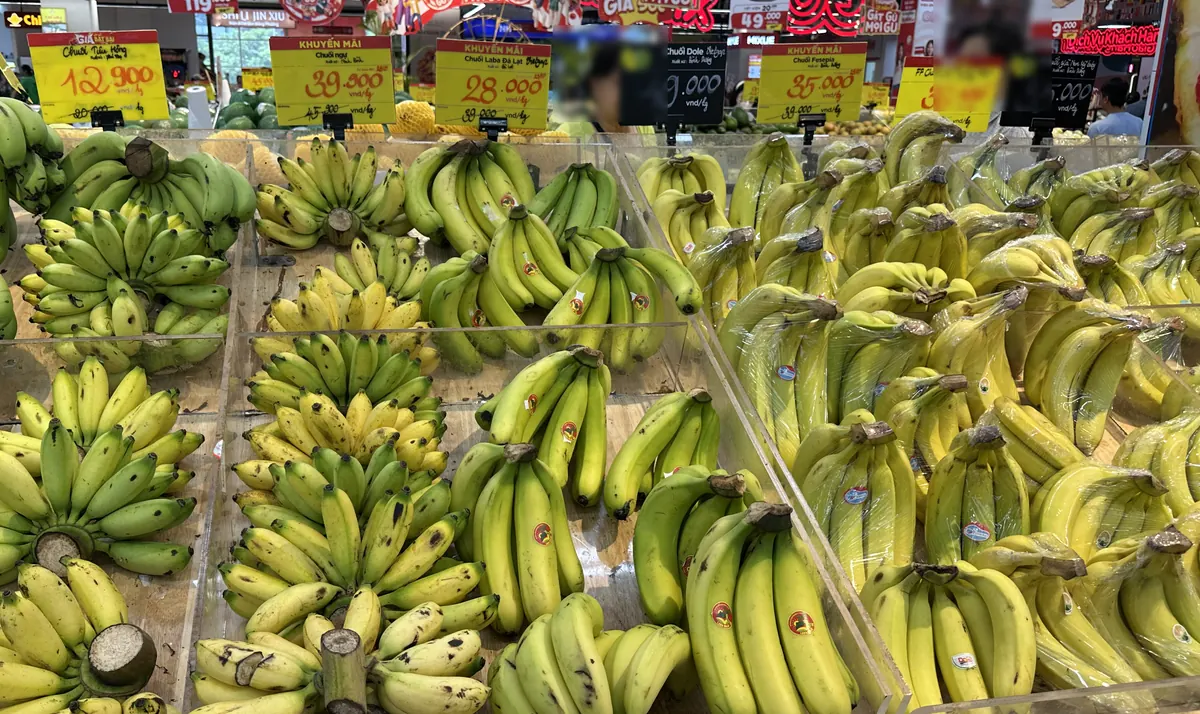
Buying notes: A friend shared freshly harvested bananas from their garden. Comparing supermarket products, I also found prices ranging widely from 12,900 to 49,000 VND per kg by brand.
Tasting notes: My honest impression was that the texture and flavor were much like the bananas most readers already know.
Frequently Asked Questions About Bananas in Vietnam
How Much Do Bananas Cost in Vietnam?
Supermarket labels photographed by the site owner in August 2026 showed 12,900–49,000 VND per kg. Prices differ substantially by product, region, season and shopping location, so check the weight and unit price at the stall.
Are Bananas with Brown “Sugar Spots” Safe to Eat?
Small brown spots alone generally indicate further ripening. Do not eat fruit with mold, leakage, unusual odors or discoloration reaching into the flesh.
Can Bananas Go in the Refrigerator?
Let yellow-ripening varieties ripen at room temperature until they reach your preferred stage. Refrigeration after ripening slows changes, although the peel may blacken.
Can You Eat Unripe Green Bananas?
They can be very astringent raw, but in Vietnam they are also sliced and cooked in stews as a vegetable-like ingredient.
Can I Take Them Back to Japan?
The Plant Protection Station traveler guidance checked on October 9, 2026, did not permit fresh Vietnamese bananas in travelers’ baggage. Rules may change, so check again before traveling.
Summary: Choosing, Eating and Storing Bananas in Vietnam
Bananas are one of the easiest fruits to enjoy in Vietnam: no knife or cutting board, just peel and eat.
- Choose: match color to when you plan to eat them, and avoid mold, leakage, unusual odors, deep splits and extensive bruising.
- Eat: bend the stalk to open the peel, then peel and enjoy.
- Explore: fresh fruit, chuối nếp nướng, chè chuối, chuối chiên, or savory green-banana stews.
- Take care: consider potassium restrictions, kidney function, blood glucose management and latex–fruit cross-reactivity.
- Store: ripen out of direct sunlight, eat soon once ready, and refrigerate if needed.
- Taking fruit home: fresh Vietnamese bananas were not permitted in baggage entering Japan under the guidance checked on October 9, 2026.
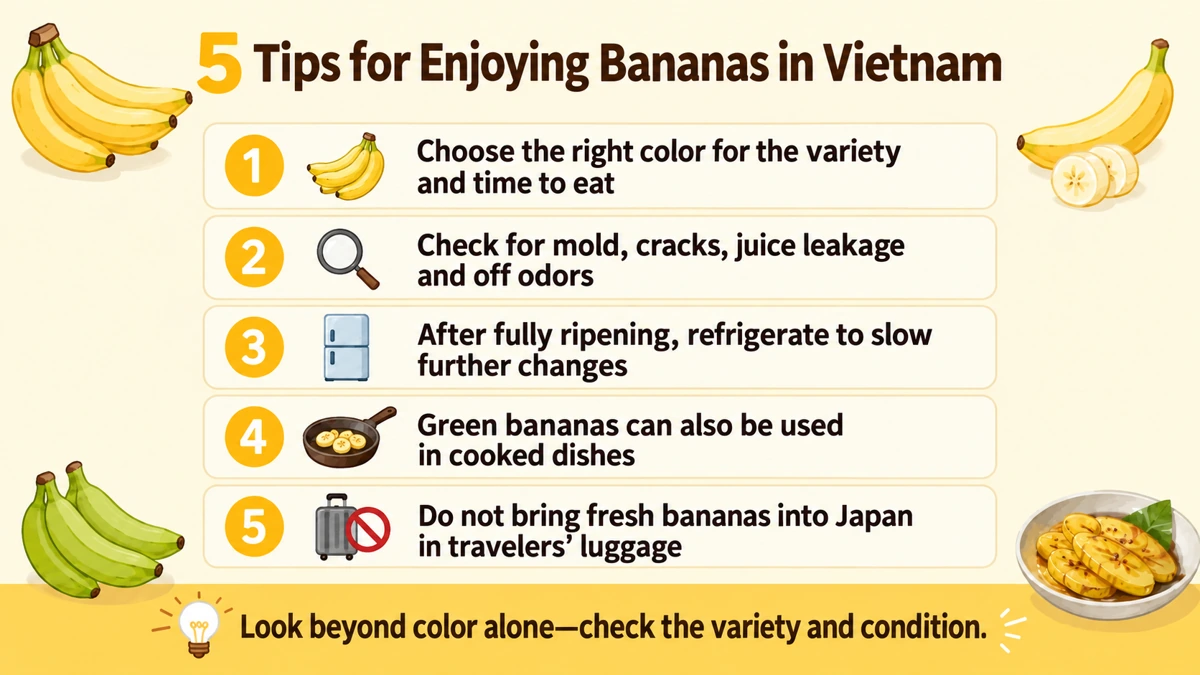
At markets and street stalls, choose a ripeness that suits your plans and check for damage. Bananas are an approachable fruit to enjoy fresh or in local cooking.
Learn More About Bananas
- Biology, nutrition, varieties and markets: Banana Guide
- History and culture, including an Atlantic journey opposite to pineapples: Banana: History and Stories
- Fruit to enjoy in Vietnam: 15 Fruits in Vietnam (in Japanese)
References
- UC Davis Postharvest Research and Extension Center: Banana (Cavendish)
- National Center for Biotechnology Information: Common food allergens and cross-reactivity
- sunairo: Eight local banana sweets and dishes in Vietnam (in Japanese)
- Cookpad: Vietnamese Fried Banana (Bánh Chuối Chiên)
- VOH: 9 món ngon từ chuối xanh ai ăn cũng ghiền
- VnExpress Cooking: Ba chỉ om chuối đậu
- Plant Protection Station: Phytosanitary requirements for items from Vietnam (in Japanese)
About the Author

Chuta
Based in Hanoi, Vietnam, Chuta buys fruit at local markets and supermarkets and writes about its taste, seasons, selection and preparation. Drawing on life in Vietnam, he introduces tropical fruits that are less familiar to readers in Japan.
About Fruit Guide